What Is Offshore Development in Vietnam? A Clear Guide to Its Benefits, Key Considerations, and How to Get Started
What Is Offshore Development?
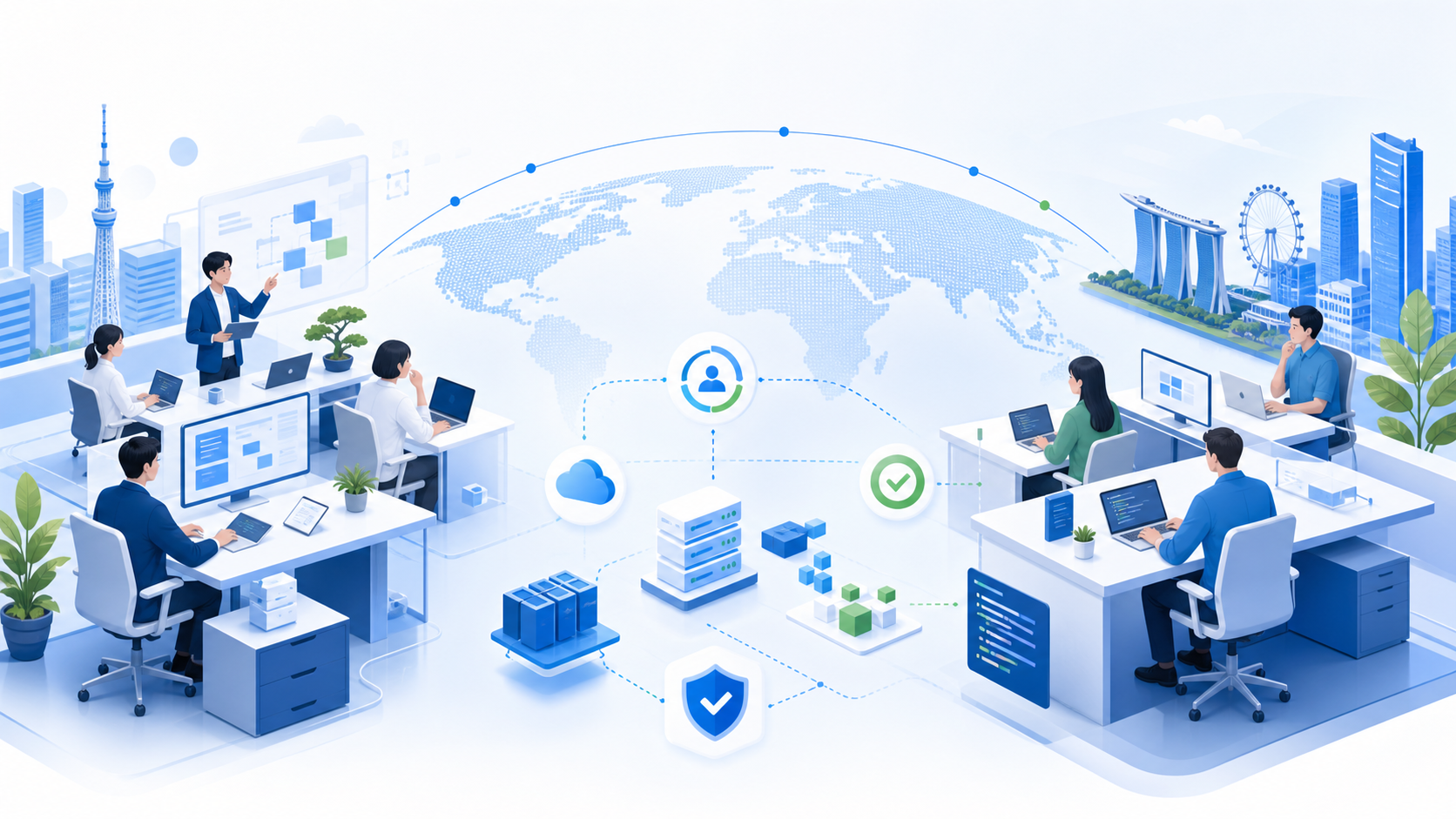
Offshore development is the practice of outsourcing part of a company's system development, operations, or maintenance to overseas locations or companies. In Japan, it is increasingly being considered as a way to address talent shortages, strengthen development capabilities, and review cost structures.
However, offshore development is not simply a way to build things cheaply. Its benefits are more likely to emerge only when you establish a structure that covers requirements definition, quality management, and communication design.
Why Vietnam Is Attracting Attention
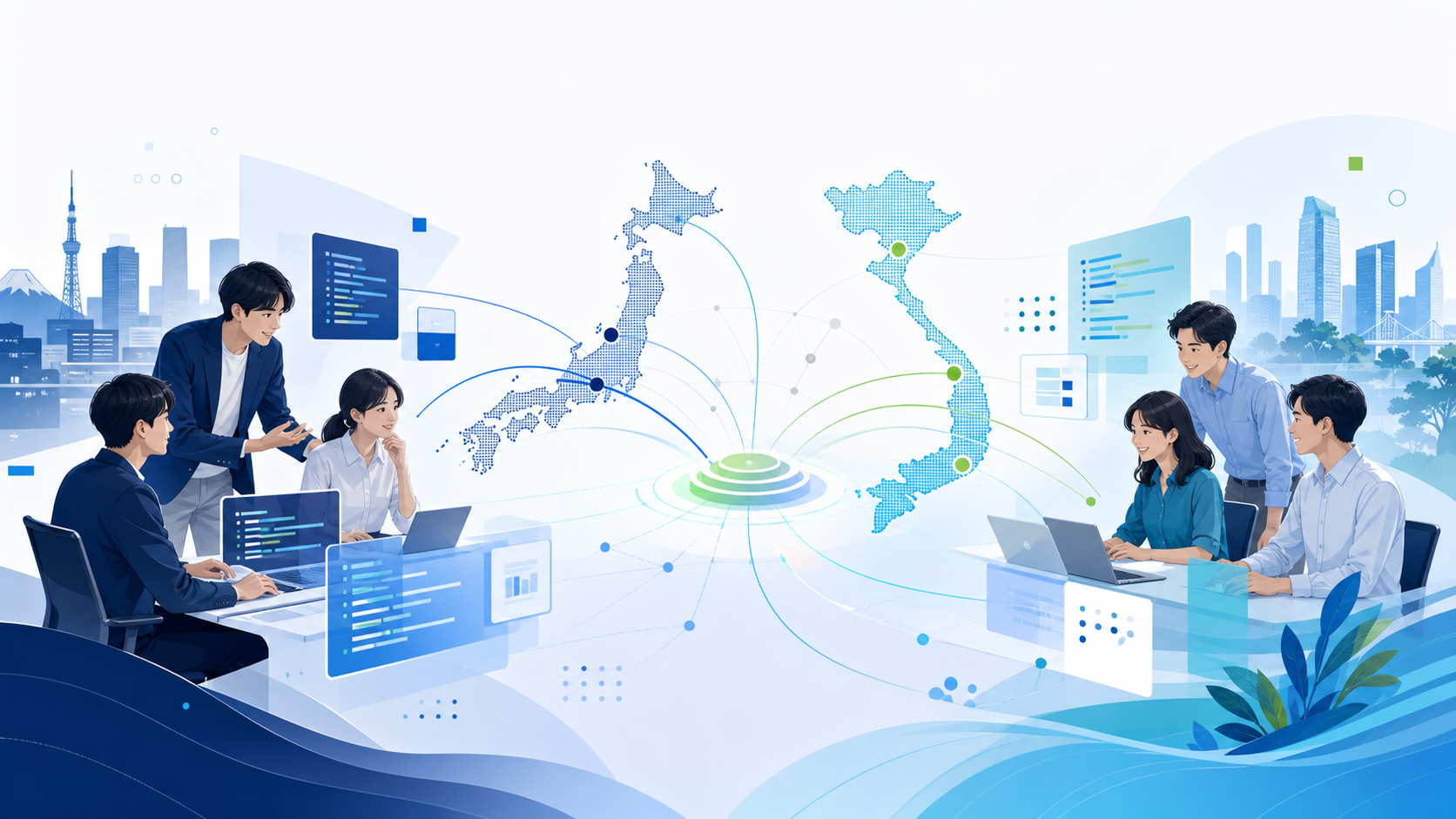
Vietnam is often mentioned as an offshore development destination for reasons beyond unit cost. A major advantage is that many companies and professionals there have experience working with Japanese businesses, making it easier to build a stable, long-term development structure.
According to publicly available information from JETRO, 2,094 Japanese companies had established operations in Vietnam as of July 2025. With deep economic ties to Japan, Vietnam offers an environment where companies can build connections not only in manufacturing but also in IT and digital fields. Its population was approximately 101.34 million as of 2024, making it a market that is likely to continue attracting attention from the perspective of securing talent.
Key Benefits of Offshore Development in Vietnam

1. It is easier to expand the development structure
In Japan, it is becoming increasingly difficult to secure IT talent in many situations. By leveraging Vietnam-based resources, companies can more easily supplement development teams that are difficult to build through domestic hiring alone.
For example, when you need to handle maintenance work while also developing new features, the Japan-side team alone may not have enough people and can end up constantly adjusting priorities. By establishing an offshore development structure, it becomes easier to share parts of implementation, testing, and maintenance.
2. It is easier to optimize costs
Compared with domestic development, offshore development in Vietnam can offer an advantage in labor costs in some cases. However, what matters is not a simple comparison of unit rates, but the total cost, including quality management and bridge personnel.
If work is outsourced while the design remains unclear, rework and retesting can increase, ultimately reducing the cost benefits. In practice, it is more effective to clarify roles and review processes from the outset.
3. Easier to Accelerate Development
Once the team structure is stable, it becomes easier for the Japan side to handle requirements definition and decision-making while the Vietnam side carries out implementation and testing. Because this setup supports parallel work, it is well suited to companies with many enhancement projects or a need for ongoing development.
4. Easier to Build Medium- to Long-Term Development Partnerships
Another advantage is that this approach helps build a structure that continuously accumulates business knowledge, rather than relying on short-term outsourcing. By developing a team that understands internal operations, companies can reduce the effort required for specification reviews and lower handover costs.
Common Challenges and Key Considerations

1. Misunderstandings are likely to occur
Even if you communicate in Japanese, vague instructions do not always convey the intended meaning. Unless requirements, exception handling, screen transitions, and acceptance criteria are clearly defined, the finished product may easily end up being different from what was expected.
For business systems in particular, it is important to document not only standard workflows but also exception handling, approval flows, and data integration requirements.
2. Do not leave quality management entirely to the vendor
Even if the offshore team has strong implementation capabilities, results can vary if quality standards are not shared. The Japanese side also needs to help define review criteria, testing policies, bug management rules, and the definition of completion.
3. Communication Design Is Essential
The time difference between Japan and Vietnam is not significant, which makes differences in operating rules even more influential on outcomes. It is important to establish basic working practices in advance, such as daily check-ins, weekly reports, issue escalation, and how to use different chat channels.
4. Security and Contractual Checks Are Essential
When handling customer information or internal confidential data, it is necessary to confirm access rights, source code management, development devices, log management, whether subcontracting is permitted, and the scope of nondisclosure agreements in advance. In particular, it is safer to establish rules beforehand on whether generative AI or external services may be used.
Suitable Development Themes
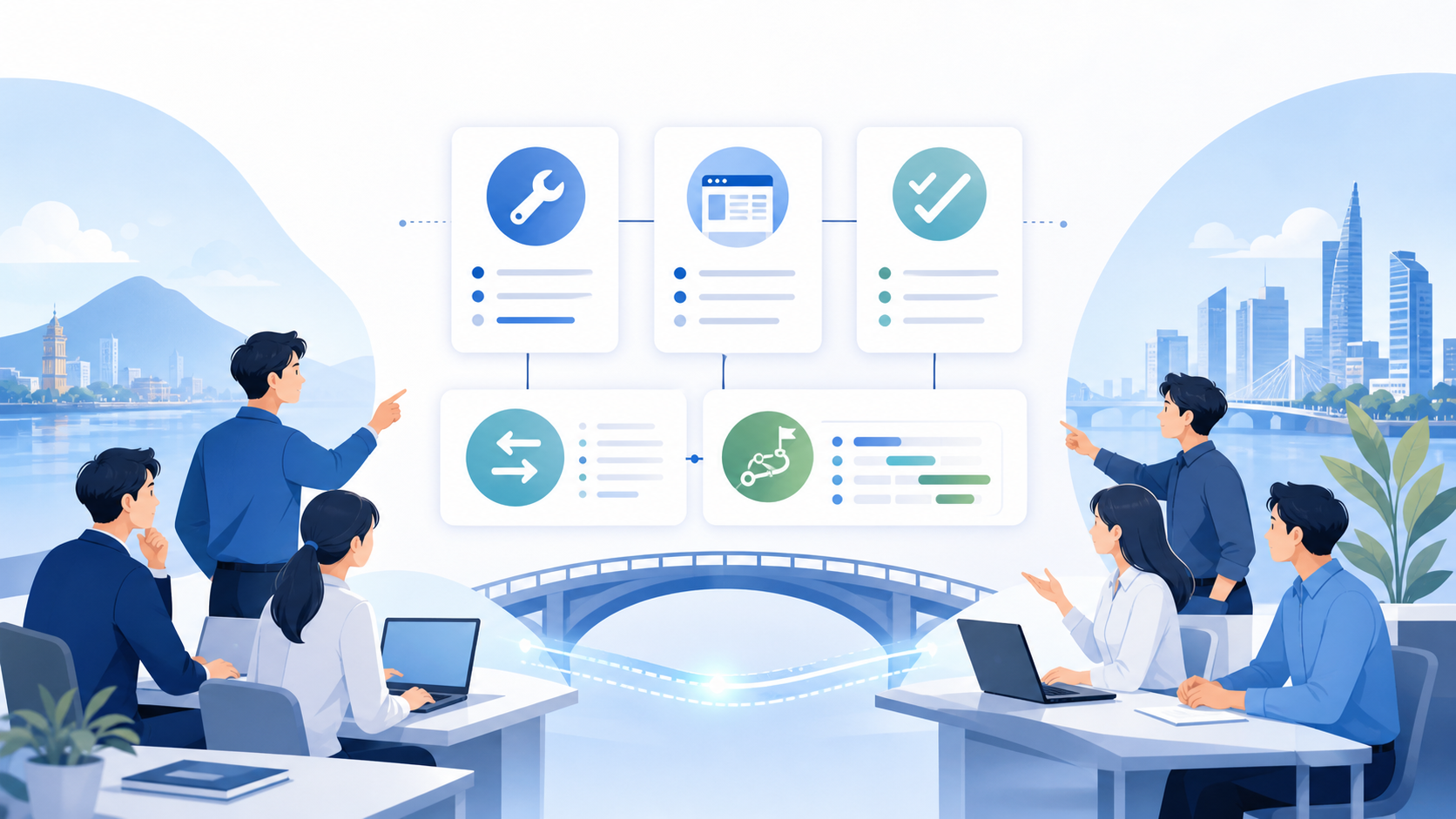
Offshore development in Vietnam is not suitable for every project. It tends to work best for initiatives where requirements can be clearly defined and tasks can be divided easily.
- Maintenance and enhancement of existing systems
- New development of web systems and business applications
- Strengthening the testing process
- Peripheral tasks such as migration and data preparation
- Products that require ongoing additional development
Conversely, projects whose requirements change significantly from day to day, or that require frequent real-time coordination with on-site teams, tend to be more difficult during the initial launch phase.
How to Avoid Failure
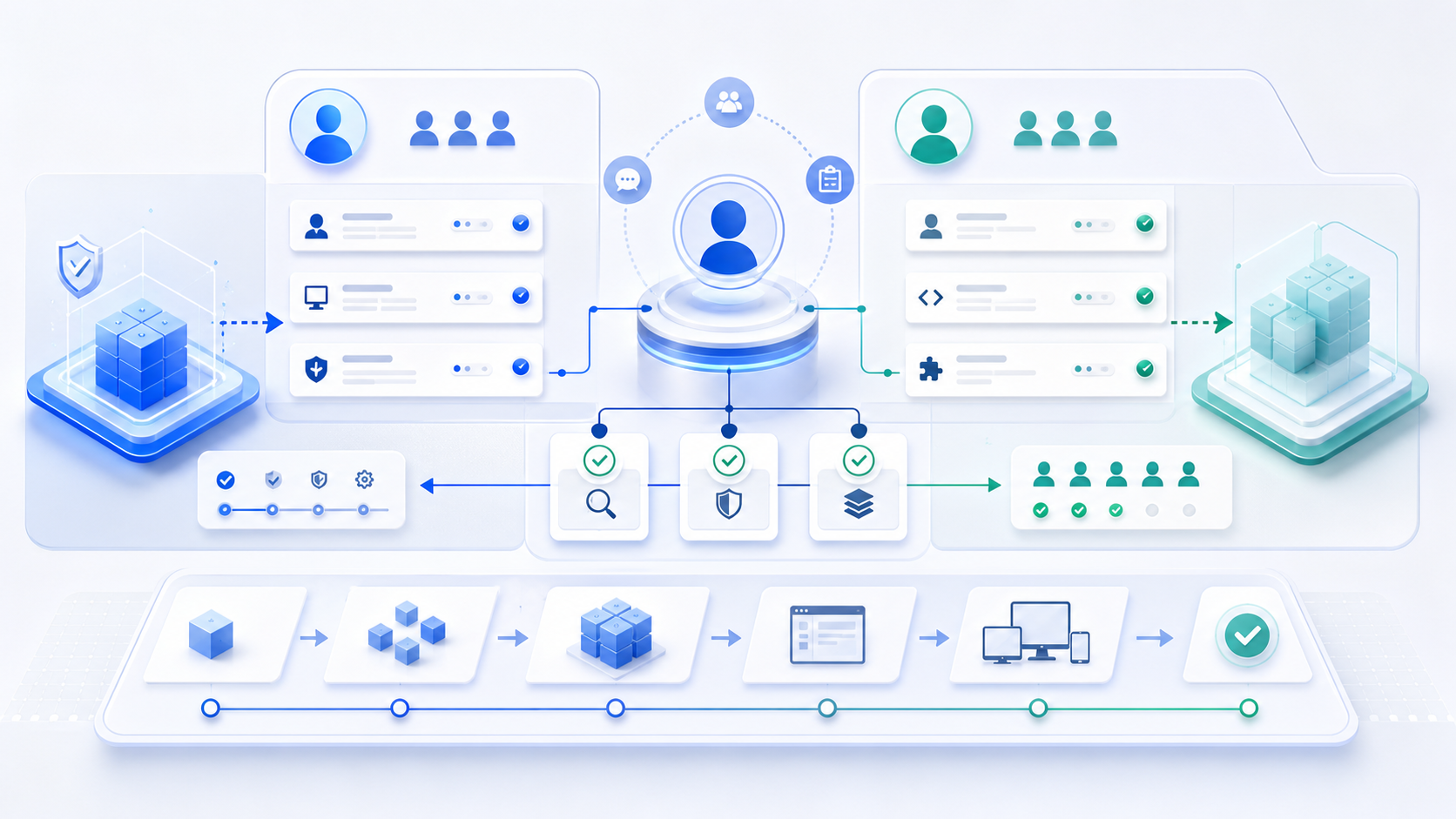
Start Small
Rather than outsourcing a large scope from the outset, it is safer to begin with small modifications or a limited feature set. This allows you to assess compatibility while checking implementation quality, communication and reporting practices, responsiveness to reviews, and the team’s sense of deadlines.
Clarify Roles and Responsibilities
If it is unclear who defines the requirements, who conducts reviews, and how much work will be outsourced, responsibilities become blurred. The Japan-side team should not simply hand everything over, but should proceed on the assumption that it retains responsibility for decision-making and quality control.
Establish a bridge team structure
Having team members who can bridge Japanese communication, business understanding, and technical expertise helps reduce misunderstandings. Especially in the early stages, the presence of a bridge SE or a Japanese-speaking PM can significantly affect how quickly the project gets up and running.
Maintain documentation
It is important to document decisions made in meetings and make specification changes and unresolved items visible. If the project is managed only through chat, the history of decisions can easily become fragmented.
Key points for selecting a partner
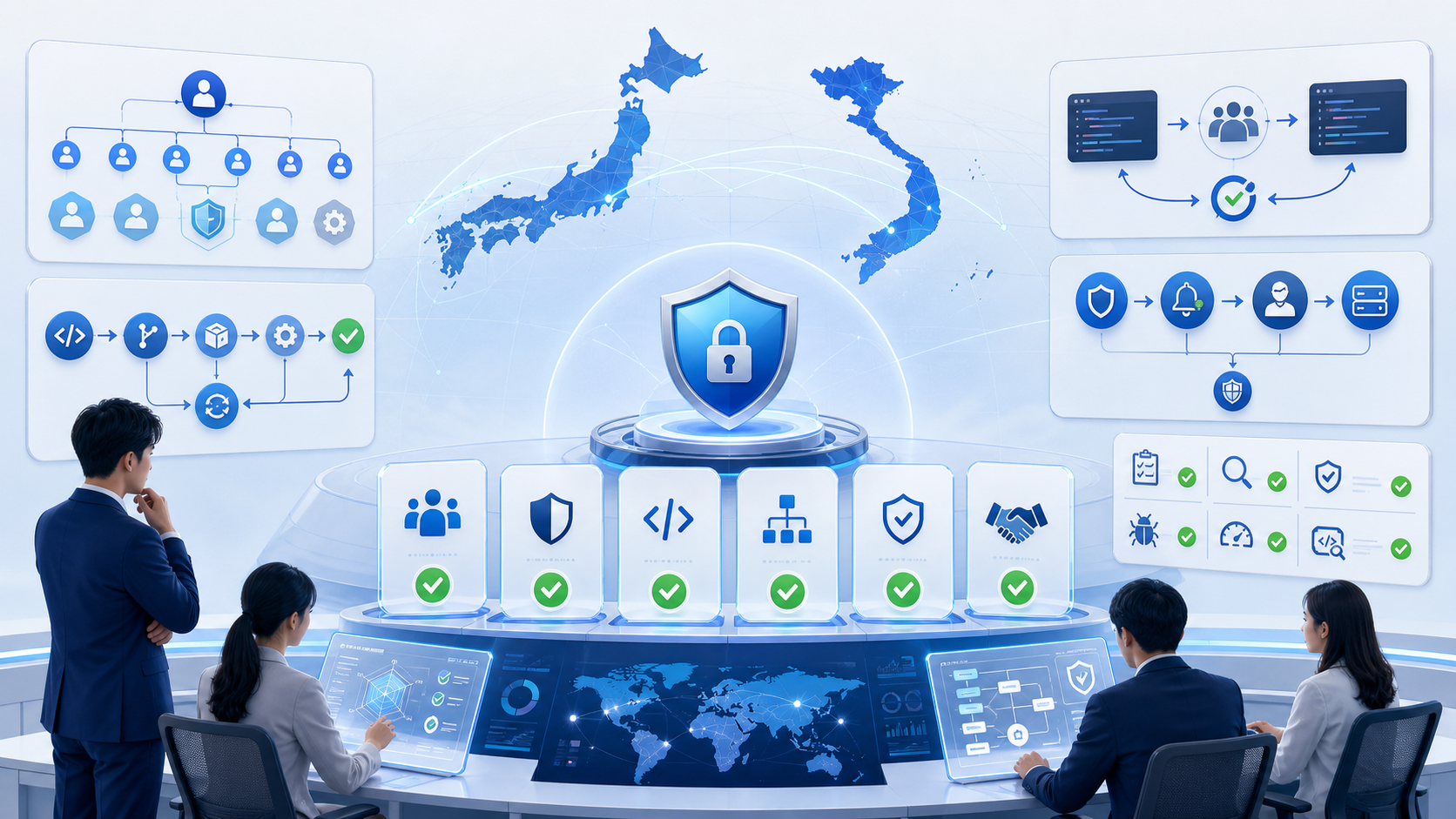
When selecting an outsourcing partner, it is safer not to make a decision based on price alone. At a minimum, you should confirm the following points.
- Whether the team has experience developing for the Japanese market
- Whether the vendor has experience with business systems
- Whether communication in Japanese is possible
- Whether Quality Control Procedures Are in Place
- Whether security operations are clearly defined
- Can they also handle maintenance and operations after development?
- Whether there is a handover process in place when the person in charge changes
At the proposal stage, it is easier to make an informed decision if you review the team structure, development workflow, review process, and incident response approach.
How to Get Started Step by Step
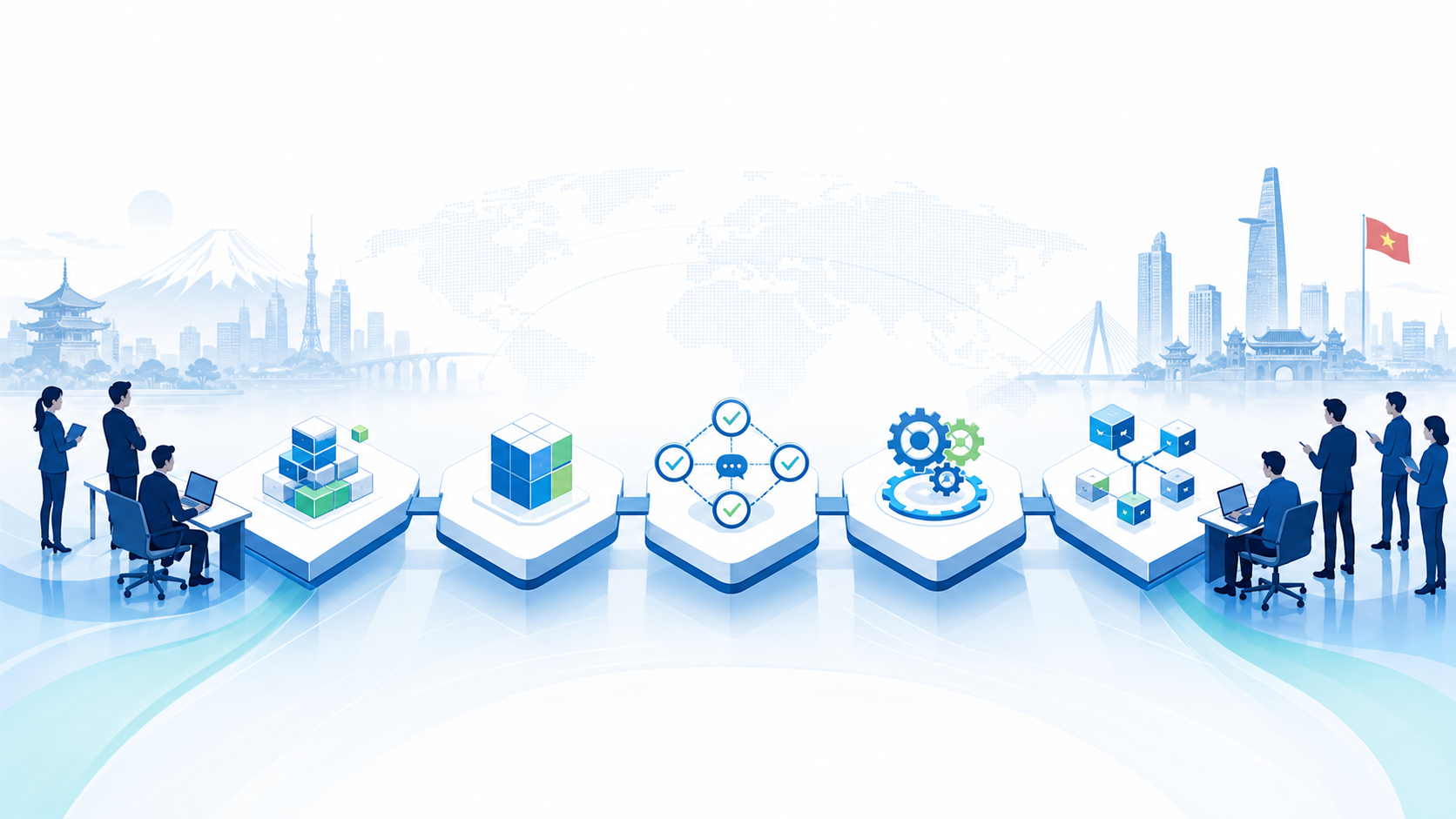
- Start by clarifying the target operations and scope of outsourcing
- Run a pilot with a small-scale project
- Identify Quality and Communication Issues
- Establish Standard Rules and Expand Them into an Ongoing Framework
- Expand into maintenance, testing, and additional development as needed
Following this sequence helps reduce the risk of encountering a major failure right from the start.
Conclusion
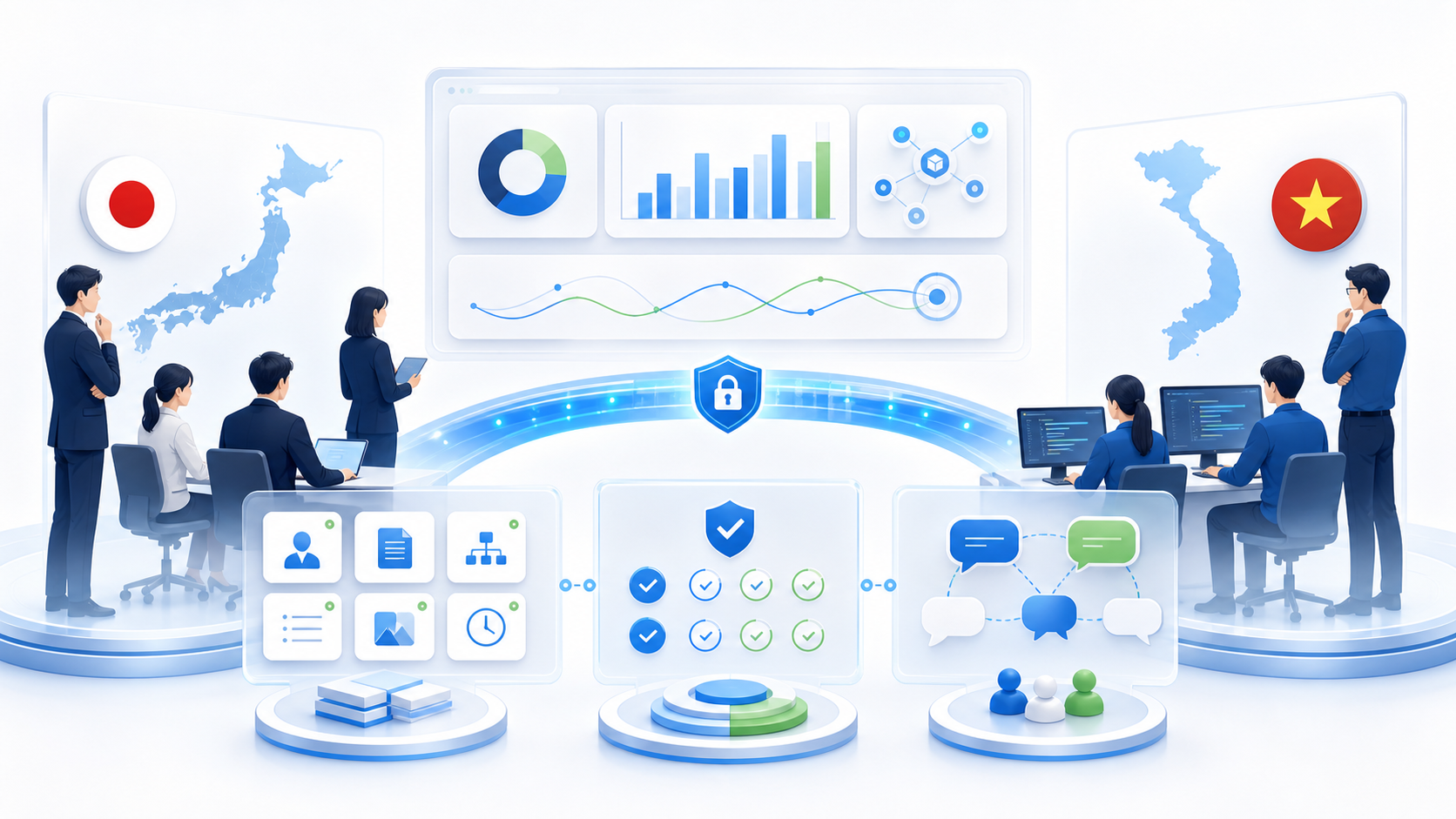
Offshore development in Vietnam is a strong option for companies looking to address talent shortages, strengthen their development structure, and optimize costs. However, the key to success is not price alone, but clear requirements definition, quality management, and well-designed communication.
As it becomes increasingly difficult to build development teams solely within Japan, how to make effective use of external partners has become an important management issue. Vietnam offshore development can also be a practical and accessible option if the structure is built in stages.
SMILE supports phased implementation, from organizing business challenges and evaluating systemization to development and operation.
Companies considering DX or the use of AI should start with small operational improvements.
Start a Consultation on GX and DX Initiatives
From assessing your current situation to implementing systems and improving operations, we work with you to design an approach that fits your company’s needs.
- We can help clarify issues in your current operations and data.
- You can design implementation steps that fit your organization’s structure.
- You can continue building a framework that remains easy to operate after implementation.
- You can use data to verify results and make ongoing improvements.
- You can start exploring AI and IoT applications in the areas where they are most needed.