What Is Modernization for Moving Beyond Legacy Systems? Benefits, Five Approaches, and Keys to Success
Key to this is “modernization.” It is not merely technical upgrade, but comprehensive rebuilding process designed to make full use of digital technology.
So what is modernization, and why is it so important for sustainable corporate growth? This article clearly explains its concept, importance, effective implementation methods, and key points for success.
What Is Legacy System Modernization?
What Is a Legacy System?
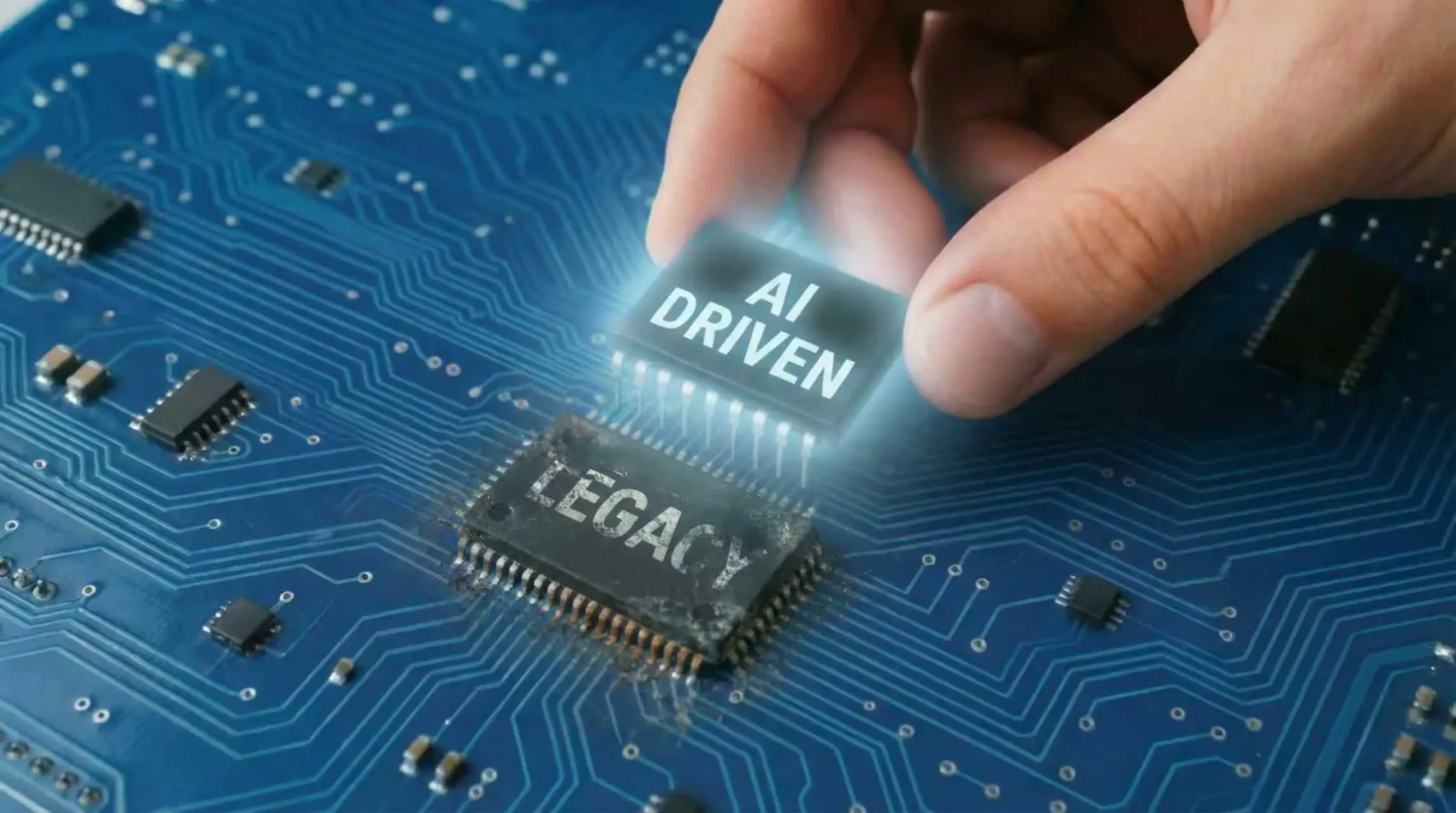
A legacy system is a system built with older technologies or architectures that has become outdated. As the word “legacy” implies, such systems were once important assets supporting companies’ core operations. However, they often cannot adapt to today’s rapidly changing business environment and technologies, making them a major obstacle to DX (digital transformation) for many companies.
After years of operation and repeated partial modifications, many legacy systems have become highly complex and internally opaque. As a result, maintenance and operations workloads have grown sharply, while incident response and adding new features now require substantial time and cost.
According to the DX Trends Survey by the Information-technology Promotion Agency, Japan (IPA), more than 60% of Japanese companies (61%) still have legacy systems, highlighting how these systems hinder DX initiatives.
To avoid risk of system trouble, rising security risks, and concerns over business continuity, moving away from legacy systems is urgent priority for companies. Strategic approaches such as “modernization” and “legacy migration,” discussed in detail in next chapter, are essential to solving this issue.
What is modernization?
Modernization is an initiative to align aging legacy systems with today’s business needs through advanced IT technologies and strategic approaches. Rather than merely “replacing” systems, it aims to dramatically improve productivity, flexibility, and security across the entire system while making full use of the business assets and know-how that companies have built over many years.
Typical modernization targets include core systems on mainframes or proprietary operating systems introduced in the 1980s, as well as systems developed in older programming languages such as COBOL. Open systems introduced from the late 1990s onward may also be candidates if they cannot adequately support today’s technology trends, such as cloud computing and API integration.
“Modernization” derives from English words meaning “to make modern” or “to update for present day.” In IT, it is often referred to as “IT modernization” or “system modernization.” In recent years, “modernize” has also become widely used as verb, and modernization is now recognized as essential element for companies pursuing DX (digital transformation).
Against this backdrop, modernization is no longer merely technical renewal; it has become key pillar of corporate strategy. It is highly strategic investment that combines both “offense,” enabling companies to respond flexibly to future changes in business environment while preserving existing strengths, and “defense,” reducing risk and maintaining stability.
Difference Between Modernization and Migration
When considering a move away from legacy systems, companies generally have two main approaches: modernization and migration. These methods may appear similar at first glance, but they differ clearly in purpose, method, and expected outcomes. To choose the best option for your organization, it is essential to understand these differences accurately.
The table below clearly compares the main differences between modernization and migration.
| Item | Modernization | Migration |
|---|---|---|
| Overview | Use existing assets to adapt systems to the latest technologies and environments, then strengthen and optimize them | Moving old systems or data to a new environment. The focus is on relocation, generally without changing functions or structure. |
| Purpose | Respond flexibly to changing business requirements and market needs while improving functionality, performance, and maintainability | Main goals are to address aging environments and end of support, strengthen security, and reduce operating costs. |
| Scope of Change | Make wide-ranging changes to system structure, code, UI/UX, business processes, data structures, and more | Primarily changes infrastructure or platforms while generally preserving application logic |
Modernization and migration each have different strengths and characteristics. To advance DX and drive business growth, companies must assess current state of their legacy systems, target business strategy, available human resources, cost outlook, and other factors holistically, then choose most effective and realistic approach.
At SMILE, we conduct detailed analysis of current state of your legacy systems and recommend, based on deep experience and expertise, whether modernization, migration, or combination of both is best fit. If you are interested in concrete solutions that strongly support your DX initiatives, please contact SMILE.
Benefits of Legacy System Modernization
Legacy system modernization does not mean rebuilding outdated systems or applications from scratch. It means flexibly redesigning and optimizing them to meet today’s technologies and business needs.
What specific benefits can companies gain by pursuing modernization? And why is this initiative attracting so much attention now?
Here, we explain key benefits companies can gain by pursuing modernization.
Improved Flexibility
Legacy systems often struggle to keep pace with rapid changes in today’s business environment because of outdated technology foundations and shrinking availability of skilled personnel. This can place serious constraints on fast decision-making and timely rollout of new services aligned with market needs.
By modernizing systems through modernization, companies can build IT foundations that respond to change with exceptional flexibility. This not only greatly improves business process efficiency but also enables rapid launch of new services aligned with market trends. Even with limited human and physical resources, companies can focus on more strategic, higher-value work, ultimately strengthening their market competitiveness at fundamental level.
Reduced Maintenance and Operating Costs
As legacy systems age, they become increasingly prone to failures. As a result, companies must continue spending significant time and money on day-to-day operations and responses to unexpected issues. Even more serious is the difficulty of obtaining maintenance parts for old hardware or relying on software whose vendor support has already ended. These conditions make system maintenance more complex year by year and create hidden costs that put pressure on corporate finances.
By carrying out modernization and migrating systems to modern environments, companies can dramatically reduce maintenance and operations costs. In stable, up-to-date system environments, risk of unexpected failures is greatly reduced, and teams no longer need to constantly address aging infrastructure. As result, IT departments can free up resources previously spent on maintenance and operations, then focus on more strategic, higher-value work such as DX initiatives and adoption of new technologies.
Productivity and Quality
Legacy systems operated for many years often become black boxes due to aging architecture and repeated feature additions. This invisible structure makes adding new features and performing daily maintenance extremely difficult, resulting in major increases in development and operating time and costs. Such conditions not only reduce overall system productivity but also directly lead to lower service quality.
By using modernization to visualize current systems and rebuild them into modern, unified architecture, companies can greatly improve efficiency across development (Dev) and operations (Ops). In addition, by adopting modern development and operations practices such as DevOps and SRE, they can automate testing and deployment, enable continuous integration (CI) and continuous delivery (CD), dramatically accelerate software release cycles, and significantly improve quality of services and products delivered. This becomes strong foundation for responding quickly to market changes and continuously providing innovative services.
Improved performance
Stable system operation is critical for companies to provide services continuously and maintain customer trust. However, because legacy systems are aging and structurally complex, they always carry risk of unexpected system failures and performance degradation. In large-scale environments with complex system integrations in particular, major failures can stop services, and in worst cases, lead to serious security incidents such as personal data leaks, making them major concern for companies.
Improving overall system performance through modernization greatly reduces these risks. With latest technologies and optimized architecture, system operates more stably, and even if system failure occurs, downtime can be dramatically shortened. This minimizes impact on services and ensures business continuity.
In summary, modernization addresses complex challenges of aging systems, including lack of flexibility, high maintenance and operations costs, declining productivity and quality, and performance and security risks. Through this strategic approach, companies can improve adaptability, reduce operating costs, raise operational efficiency and service quality, and ultimately establish competitive advantage in market.
Modernization methods
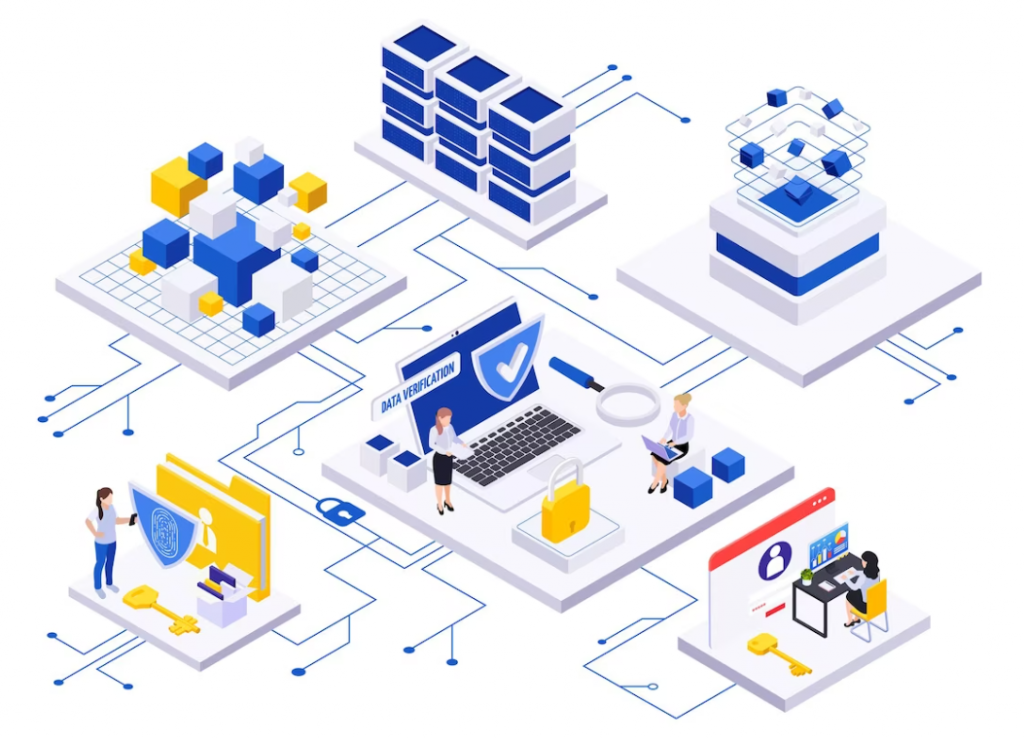
Modernization mainly includes following five methods. It is important to understand characteristics of each and choose best approach based on company’s current situation and objectives.
Replacement
Replacement is a method that first clarifies the business objectives and functions handled by the current legacy system, then builds a new system from scratch to fully deliver them, renewing both software and hardware. To simplify system implementation, it is effective to make active use of industry-standard packaged software and cloud services. Because the entire system is rebuilt, it may be difficult to flexibly accommodate individual business processes and detailed requirements. Replacement is not merely an extension of maintenance; it is a strategic investment that eliminates risks caused by aging systems and builds a robust, scalable IT foundation for future business growth.
Rehost
Rehosting is a method of migrating software and application programs (source code) running on an existing legacy system to new hardware or a new system platform without making any changes to them. For example, this includes “lifting” a core system that has been running on a mainframe and moving it to a cloud environment or a modern open systems server. It is commonly known as “Lift & Shift.” The biggest advantage of rehosting is that migration can be completed at relatively low cost and in a short time because the application code and data structures are left unchanged. It also minimizes impact on existing operations, reducing the risk of business disruption.
Rewrite
Rewrite is a method that preserves the application functions and business flows of the current legacy system while rewriting only the source code in a new programming language or modern framework. The defining feature of this approach is that it modernizes only the technical foundation without significantly changing system behavior or user experience. Code conversion may use advanced automated conversion tools, or system specialists may manually analyze and interpret existing code and designs in detail before carefully migrating them to a new language environment. Especially in large-scale systems or legacy code that has accumulated complex modifications over many years, unexpected dependencies and inefficient logic are often deeply hidden, so this work requires advanced technical expertise and extensive experience.
Refactoring
Refactoring is a method for reorganizing and optimizing the internal structure of software without changing any externally visible functions or behavior. Unlike rewriting, which changes the programming language or platform itself, refactoring keeps the current language and existing architecture while improving code readability, maintainability, and efficiency. This approach can significantly improve future development efficiency and incident response speed without compromising overall system performance. Especially in legacy systems that have undergone years of irregular modifications and feature additions, refactoring is a highly effective way to eliminate technical debt, maintain system health, and support long-term operation.
Redocumentation
Redocumentation is the process of recreating and updating missing documentation, or documents such as specifications and design materials that have become outdated and no longer reflect the current state of an existing legacy system. In systems that have been operated for many years, internal structures and processing logic are often black boxes. Redocumentation helps visualize the entire system and deepen shared understanding among stakeholders. This improves maintenance and operations efficiency and quality, while also providing highly reliable information for decisions on future modernization strategies such as refactoring and rebuilding. Redocumentation plays an important role as a preparatory stage before more advanced modernization methods and builds a strong foundation for the success of the overall modernization strategy.
Key points for successful modernization
Modernization is more than system renewal; it is highly strategic initiative that strengthens corporate competitiveness and drives DX (digital transformation). To make modernization successful, companies must address following three key points thoroughly from both strategic and practical perspectives.
Risk Assessment and Countermeasures
Modernization accelerates corporate DX, but also carries potential risks such as data corruption, business interruption, and impact on existing application operations. Complex structures of legacy systems in particular can cause unexpected issues. Before project starts, it is essential to accurately identify impact across entire system and thoroughly assess all risks. By preparing countermeasures in advance, companies can smooth migration process, minimize business impact, and greatly increase likelihood of successful modernization.
Ensuring Communication
Because modernization affects entire system and, ultimately, business processes across company, smooth cross-department communication is critical to success. To deeply understand how existing legacy system is used on front lines, it is extremely important to carefully gather feedback through interviews with staff who handle actual operations. It is also essential to help stakeholders correctly understand specifications and functions of new system and resolve confusion or concerns about unfamiliar system in advance. By creating regular opportunities for feedback and information sharing throughout project and ensuring transparent communication, companies can improve stakeholder understanding and engagement, leading modernization to success.
In recent years, issue known as “2025 Digital Cliff” has been raised, and many companies now face limits of legacy systems. Going forward, businesses need proactive modernization that goes beyond simple maintenance and upgrades by adopting latest technologies.
SMILE fully supports your company’s DX initiatives through long track record in system development and team of expert engineers, helping strengthen sustainable competitiveness through effective use of data assets and system optimization.
Frequently Asked Questions (FAQ)
Below are answers to common questions about modernization. Use them as a reference if you are considering moving away from legacy systems or need guidance on specific implementation steps.
Q1: What is modernization?
Modernization refers to initiatives that align aging legacy systems with today’s business needs through advanced IT technologies and strategic approaches. Rather than merely “replacing” systems, it aims to dramatically improve productivity, flexibility, security, and performance across the entire system while making full use of the business assets and know-how that companies have built over many years. Ultimately, it can be viewed as a comprehensive transformation process that accelerates DX and strengthens competitiveness.
Q2: What is difference between modernization and legacy migration?
Modernization and migration are both approaches for moving away from legacy systems, but they differ clearly in purpose and scope of change. Migration focuses on moving old systems and data to a new environment while largely keeping existing functions and structure unchanged. Modernization, by contrast, uses existing assets while also changing system architecture, code, business processes, and other elements to strengthen and optimize system itself in line with current technologies and business needs. In short, migration is closer to “moving,” while modernization aims to “modernize and evolve.”
Q3: What are benefits of modernization?
By advancing modernization, companies can resolve wide range of challenges posed by legacy systems and gain key benefits. Specifically, they can build an IT foundation that responds flexibly to changes in business environment and sharply reduce maintenance and operation costs caused by aging systems. They can also achieve major gains in productivity and service quality, strengthen overall system performance and security levels, and ensure business continuity. These benefits ultimately strengthen market competitiveness at fundamental level and accelerate DX.
Q4: What approaches are used for modernization?
Modernization mainly involves five methods. Replacement rebuilds system from scratch for complete renewal. Rehosting moves system to new hardware environment without changing program. Rewriting converts source code to a new language without changing functionality. Refactoring optimizes internal structure without changing external functions. Redocumentation reorganizes existing documentation. Choosing best method based on current state and goals of legacy system is essential.
Q5: Where should modernization begin?
First step in considering modernization is to accurately understand current state of existing legacy system and clearly define what you want to achieve. Then, conduct proper risk assessment and select best modernization method aligned with your resources and goals. SMILE strongly supports your DX initiatives with stable, abundant resources, extensive experience working with major SIers, and one-stop services. Please contact us for consultation.
Conclusion
As “2026 cliff” approaches, moving beyond legacy systems has become urgent management priority. Modernization is more than technology refresh; it is essential strategic investment that enables companies to accelerate DX and secure future competitiveness. By using advanced technologies such as cloud and AI in optimal way and pursuing modernization through right approach, companies can not only avoid future economic losses but also achieve major gains in operational efficiency, stronger system security, and fundamental improvement in market competitiveness.
Successful modernization requires strategic planning that clearly defines company’s challenges and goals, and above all, trusted expert partner.
SMILE’s many expert engineers with deep knowledge of COBOL and Pro*C protect your legacy systems and connect them to future. With extensive track record and flexible development structure, we provide one-stop support from current system analysis through modernization planning, design, development, migration, and operations, strongly supporting your DX initiatives.
If you are facing challenges with legacy systems or are unsure how to proceed with system modernization in practice, please feel free to contact SMILE for a consultation.
Start a Consultation on GX and DX Initiatives
From assessing your current situation to implementing systems and improving operations, we work with you to design an approach that fits your company’s needs.
- We can help clarify issues in your current operations and data.
- You can design implementation steps that fit your organization’s structure.
- You can continue building a framework that remains easy to operate after implementation.
- You can use data to verify results and make ongoing improvements.
- You can start exploring AI and IoT applications in the areas where they are most needed.