What Is the Difference Between GX and DX? A Clear Guide to Their Goals, Implementation, and the Perspectives Companies Need
In recent years, the terms GX and DX have become increasingly common across many companies. Both are important themes closely tied to management challenges, but many professionals still find it difficult to understand how they differ or decide which one to address first.
In real-world operations, common challenges include being unable to accurately track energy use or emissions because they are managed on paper or in Excel, and being unable to prioritize improvements because equipment and operational data are scattered across different places. Although GX and DX are separate concepts, they are closely connected when it comes to organizing these issues and turning them into sustained management improvement.
Why GX and DX Are Often Confused

This article clarifies the differences between GX and DX, then explains from a practical business perspective how companies can incorporate both into their operations.
GX stands for Green Transformation, while DX stands for Digital Transformation. Because both involve “transformation,” the terms can appear similar at first glance. They also overlap in practice, as both are closely connected to management strategy, business process reform, investment decisions, and talent development.
For example, when sensors and cloud services are introduced to visualize energy use in factories or offices, the initiative is strongly positioned as GX if the goal is energy conservation or emissions reduction. If the goal is to use data to transform business decision-making as a whole, it also takes on a strong DX dimension. In other words, even when the same technologies are used, how the initiative is positioned depends on what the organization aims to change.
What Is GX?
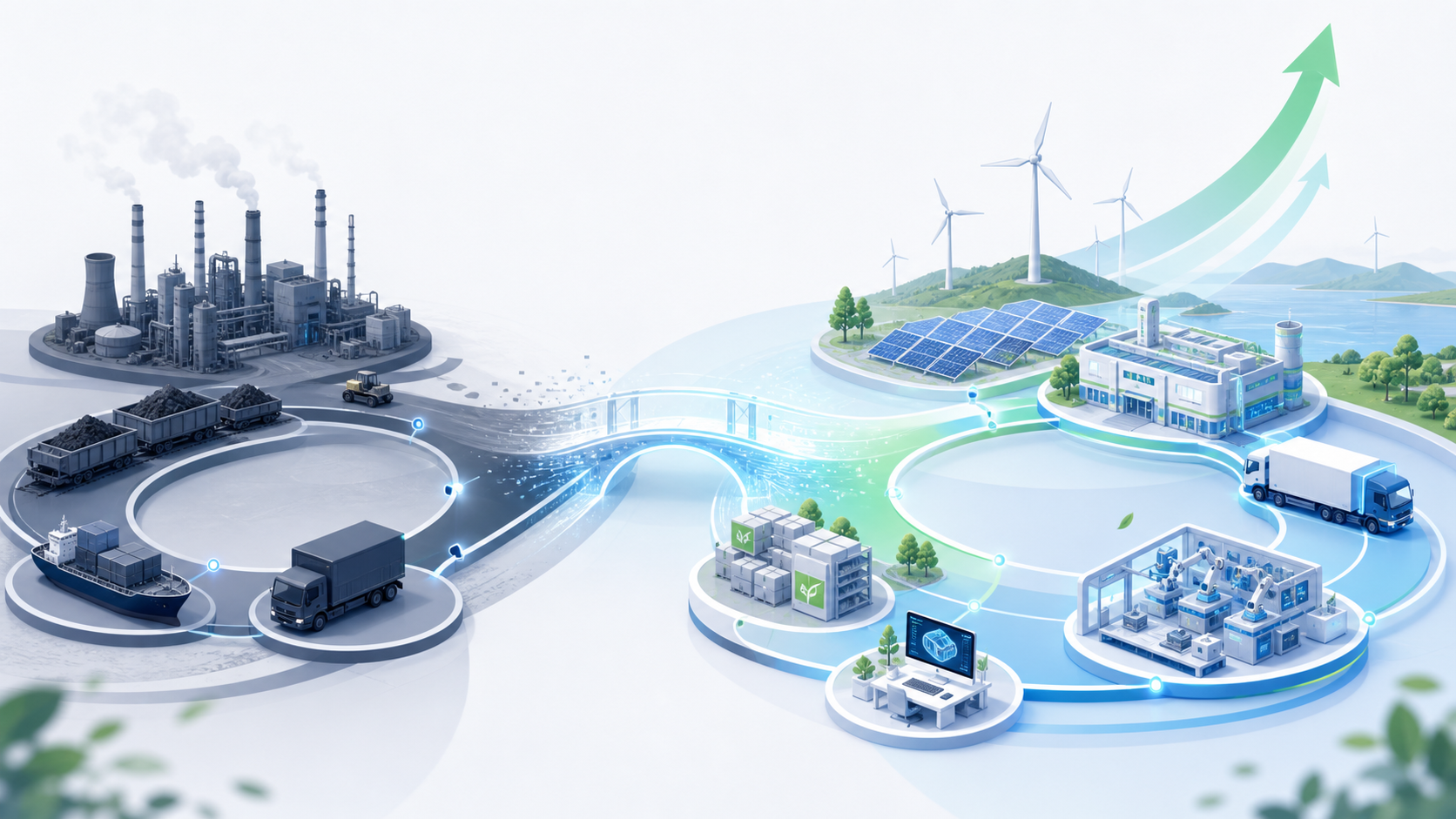
GX is the concept of shifting away from societies and business structures centered on fossil fuels toward a model that pursues both decarbonization and economic growth. It is not merely an environmental initiative; it requires reviewing procurement, manufacturing, logistics, capital investment, product design, and the entire supply chain to build a sustainable business foundation.
In Japan, the Ministry of Economy, Trade and Industry is promoting GX, and the GX Promotion Act was enacted in 2023. In addition, work is underway to flesh out the GX2040 Vision and a growth-oriented carbon pricing framework. These developments indicate that GX is no longer relevant only to a limited group of companies; going forward, it is expected to become increasingly important in areas such as business partner requirements, information disclosure, and cost management.
What Is DX?
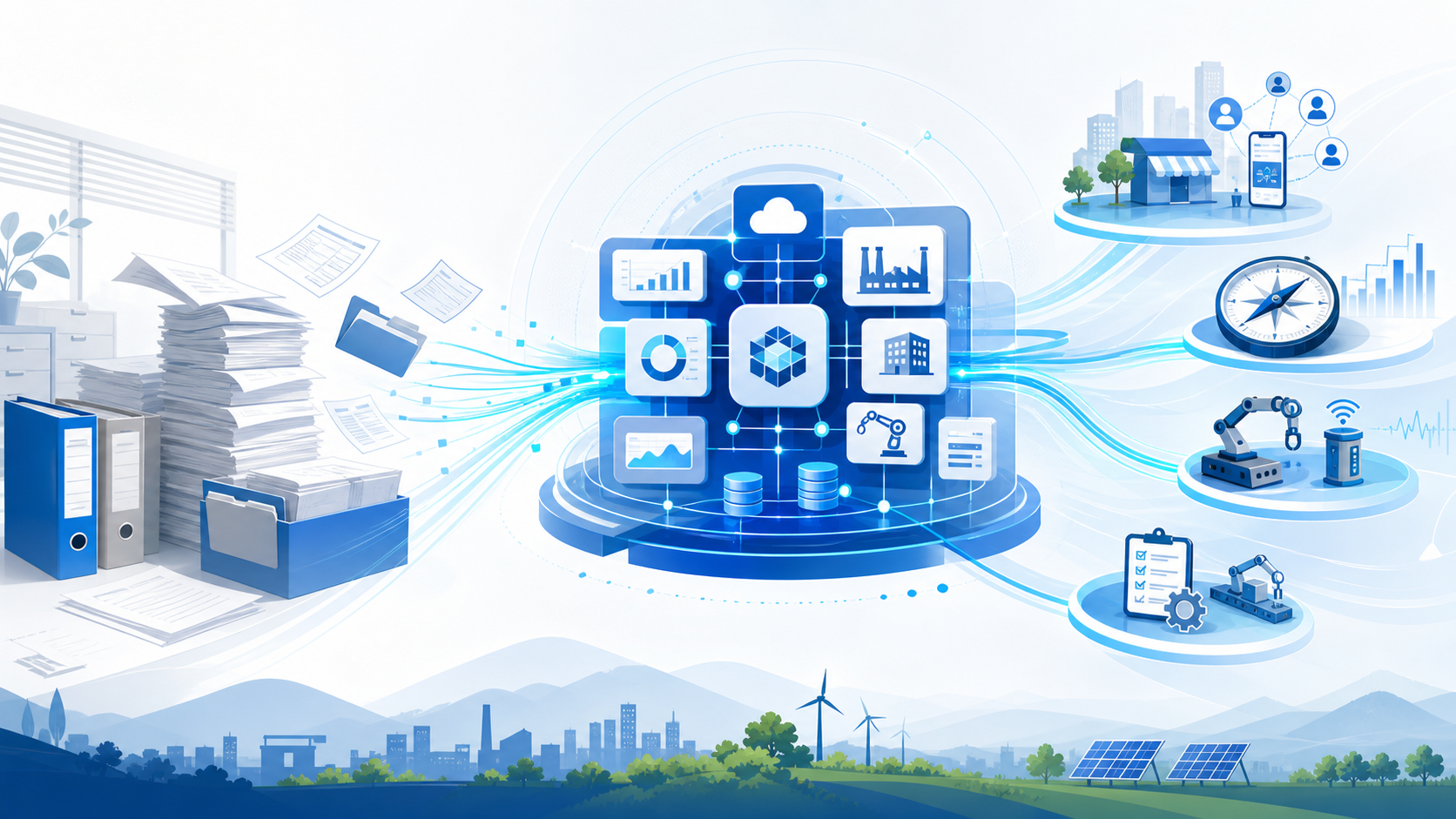
DX is an initiative that uses digital technology to rethink operations, organizational structures, customer touchpoints, and decision-making processes in order to strengthen a company’s competitiveness. It is not simply about introducing IT; it requires companies to build on the digitization of existing operations while transforming the way people work and how services are delivered.
Examples of DX include digitizing paper-based applications into workflows, centrally managing sales information, and visualizing equipment data to improve maintenance planning. The purpose of DX is not only to improve operational efficiency, but also to reduce dependence on specific individuals, speed up decision-making, and create new forms of value.
Comparing the Differences Between GX and DX
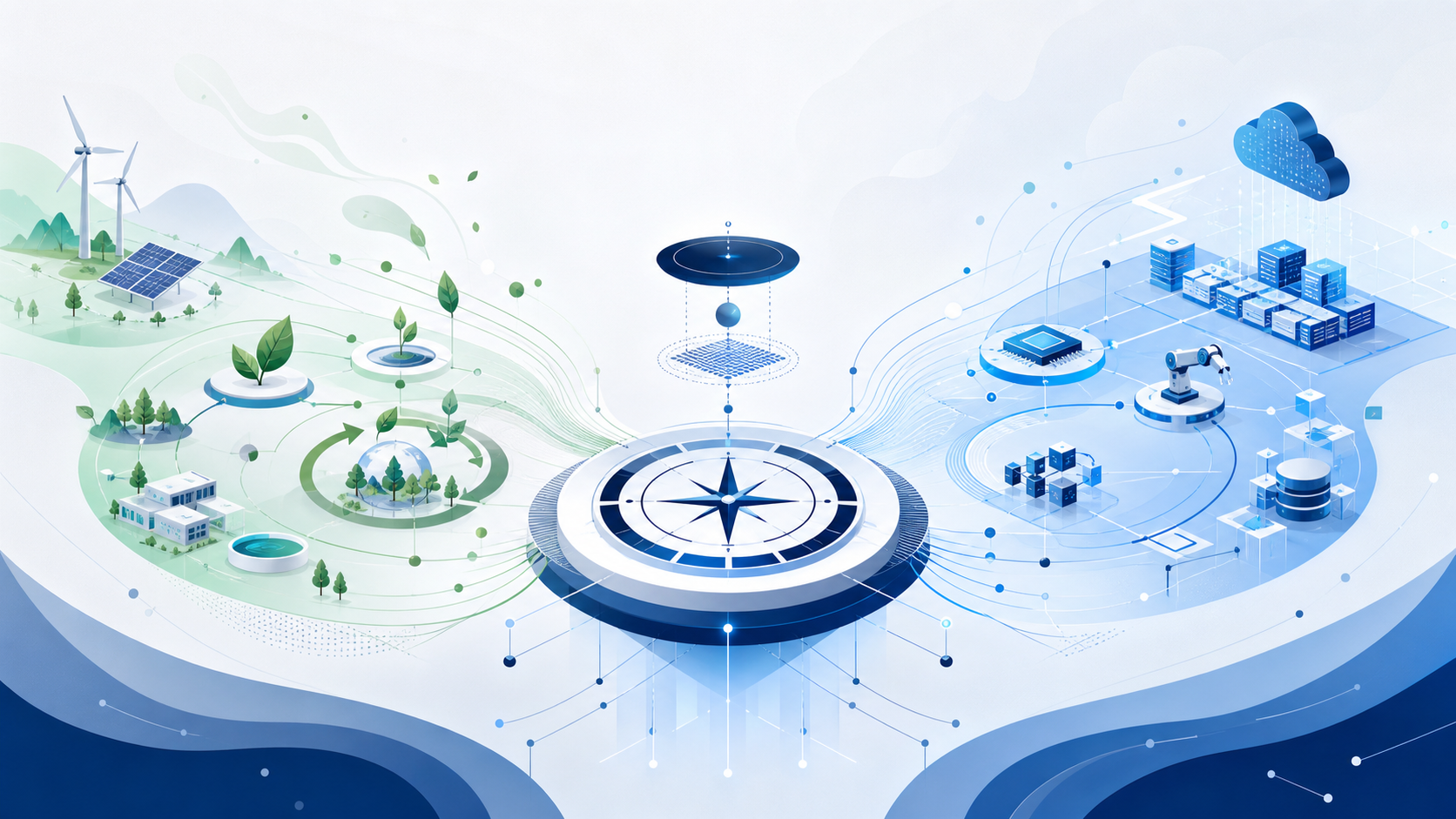
The key difference between GX and DX lies in the main purpose of the transformation. GX focuses on decarbonization, resource efficiency, energy transition, and building a sustainable management foundation. DX, on the other hand, focuses on using data and digital technology to transform the way operations and businesses are conducted.
In practice, however, it is more effective to clarify the objectives and methods than to treat them as completely separate. Advancing GX requires a mechanism for continuously tracking energy consumption and emissions, and DX methods can support this. Conversely, DX initiatives can also contribute to GX through areas such as electricity use, equipment optimization, and logistics efficiency.
In simple terms, GX can be understood as defining what the company aims to achieve, while DX defines how it will transform to get there.
Why GX and DX Should Be Considered Together
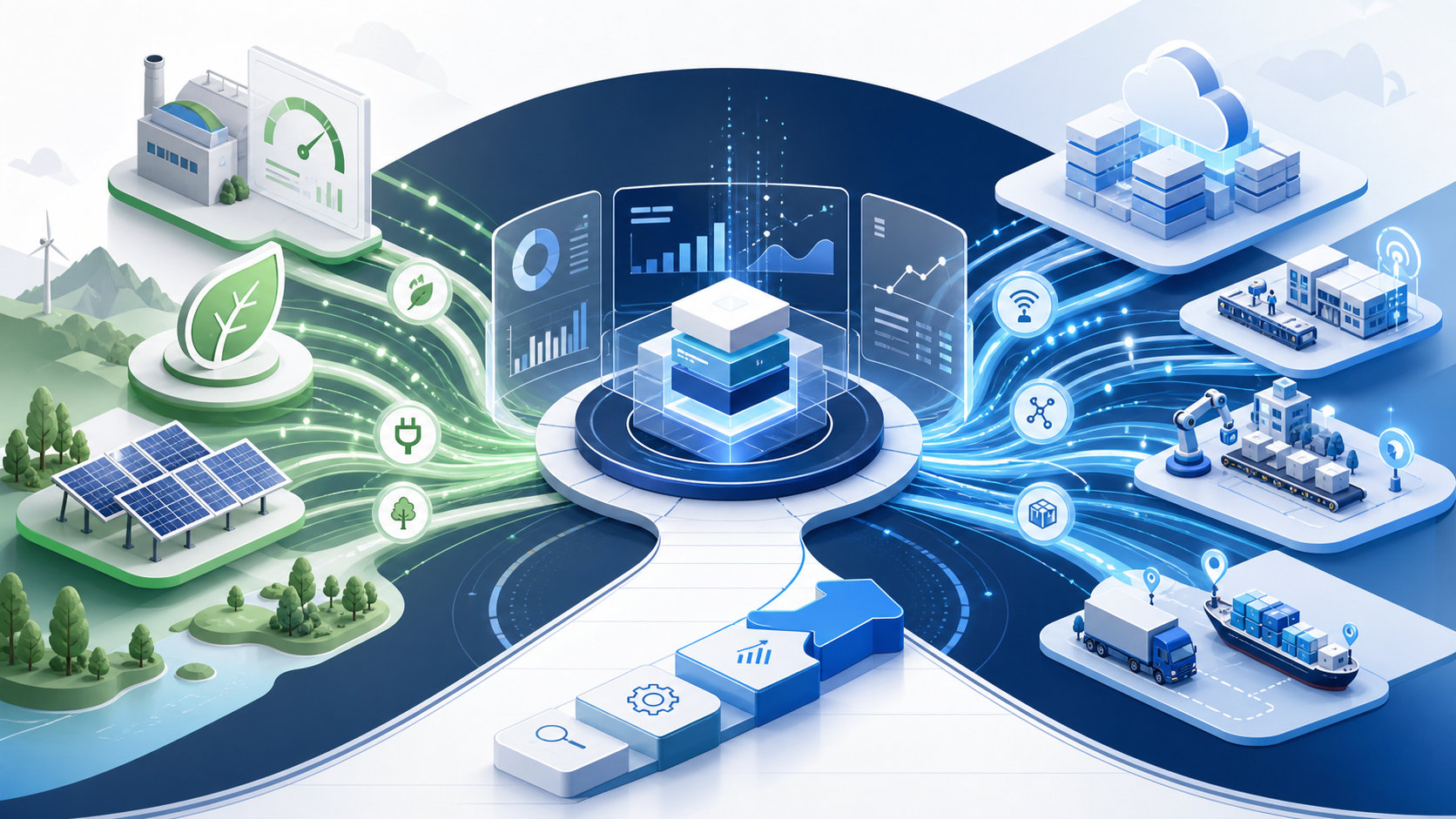
To advance GX, companies need to understand their current situation through data, identify areas for improvement, and continuously verify the impact of their initiatives. However, if records on energy use, equipment operation, procurement, transportation, and other data are scattered across departments, decision-makers will not have the information they need.
This is where DX becomes essential. By collecting, integrating, visualizing, and analyzing data, companies can more easily prioritize GX initiatives. For example, if they can clearly identify which sites consume the most electricity, which processes generate losses, and which materials should be reviewed for the greatest impact, they can create improvement plans that are realistic for frontline operations.
In short, GX on its own can easily remain at the level of policy, while DX on its own may end with efficiency gains alone. Combining the two leads to meaningful improvements in both environmental performance and business management.
Examples of Specific Corporate Initiatives
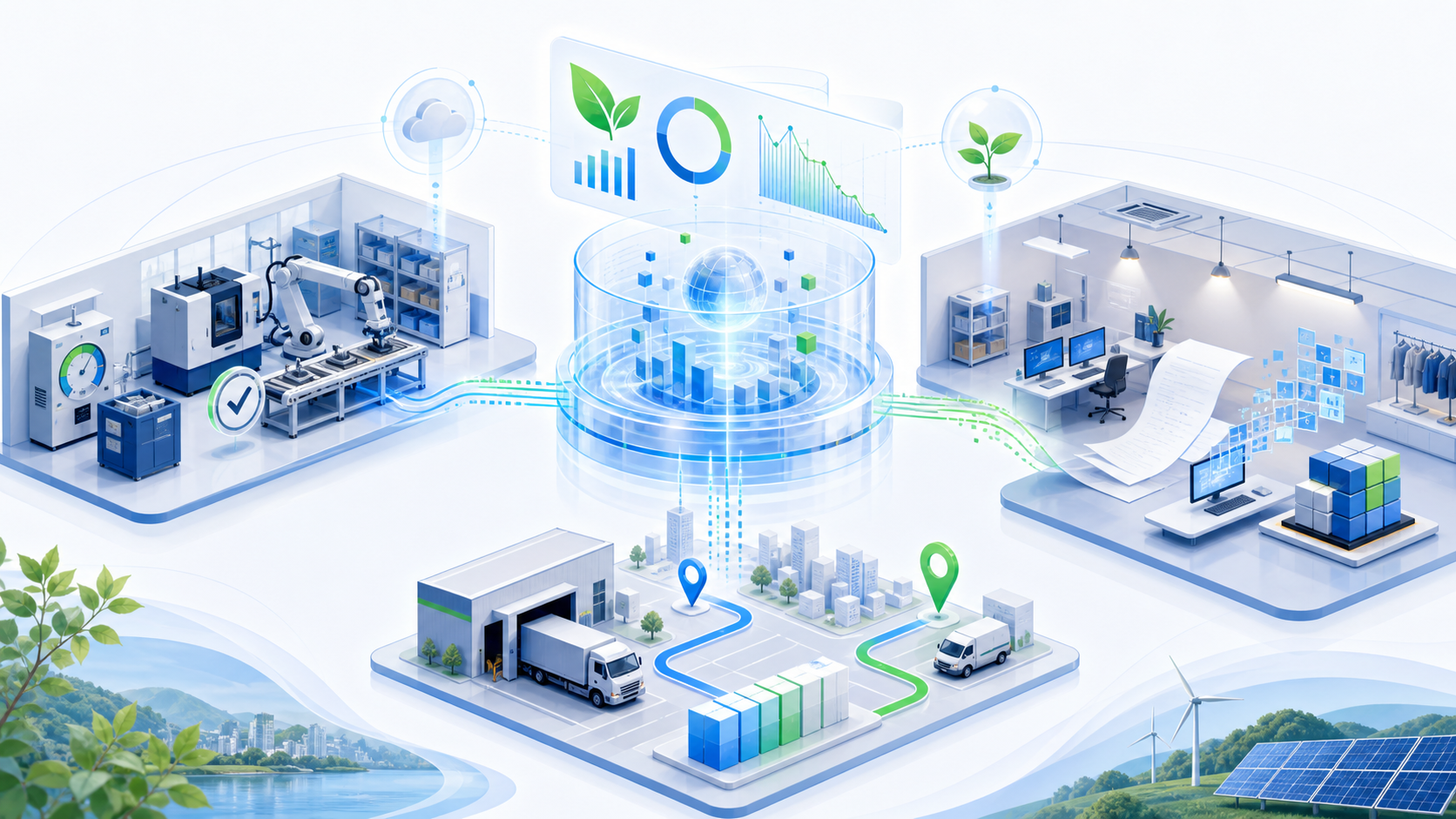
Manufacturing
In manufacturing, for example, companies can collect operating data from factory equipment and analyze it together with electricity consumption and defect rates to pursue energy savings and quality improvements at the same time. This is a typical example of GX and DX working in tandem.
Logistics, retail, and service industries
In the logistics industry, optimizing delivery routes and improving load factors can reduce both fuel consumption and travel time. In retail and service industries, measures such as reducing paper-based forms, optimizing air conditioning and lighting controls, and maintaining appropriate inventory levels can help lower operating costs while reducing environmental impact.
Standardizing reporting workflows
Companies are also increasingly being asked by business partners to provide emissions data and demonstrate their sustainability initiatives. To be prepared for these requests, it is important to organize internal data and standardize reporting workflows.
Expected Benefits
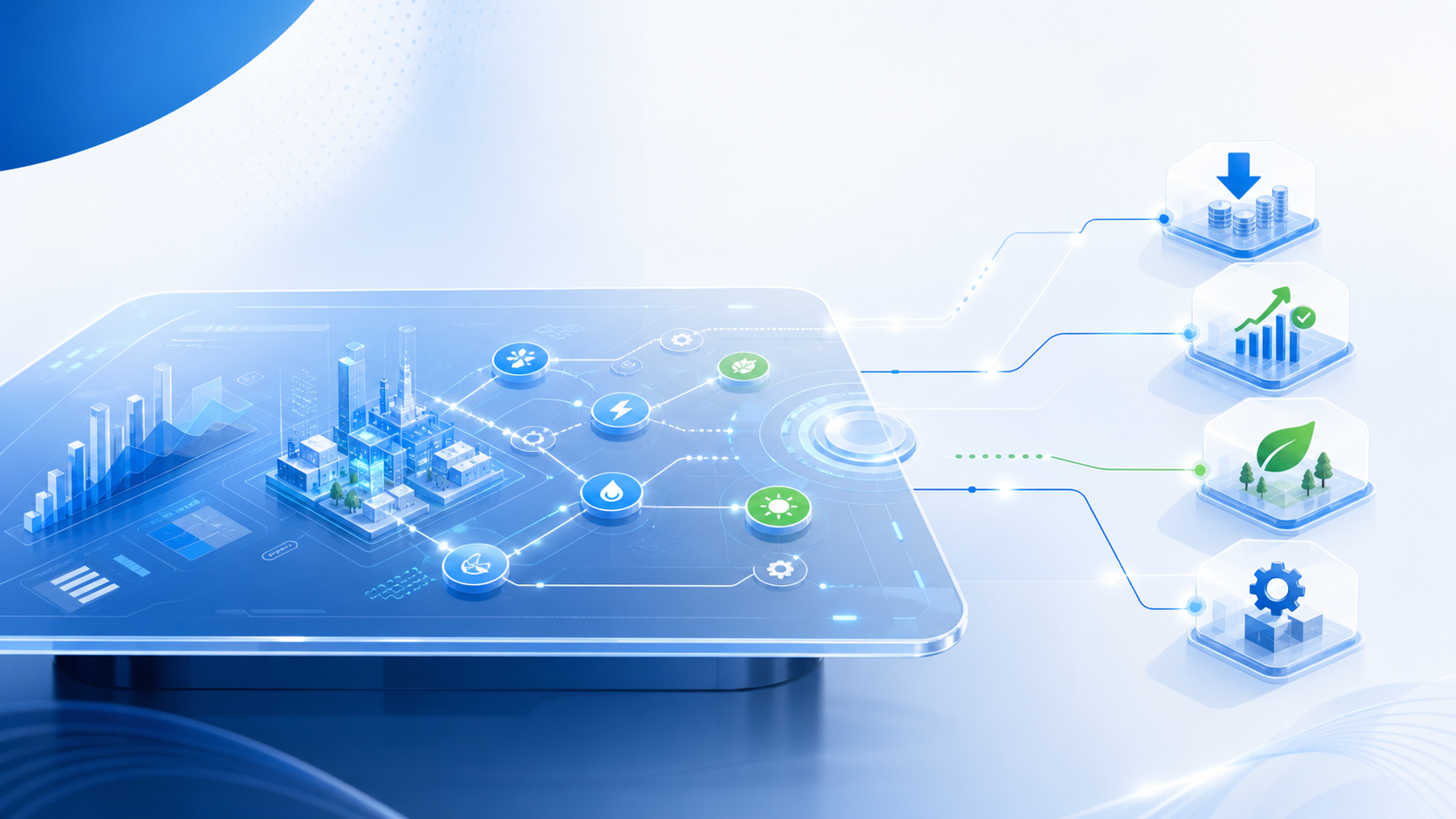
By advancing GX and DX together, companies can expect several benefits. First, they can gain visibility into energy and resource use, making it easier to reduce unnecessary costs. Second, data can reveal opportunities for improvement that may be difficult to identify through on-site judgment alone, improving the accuracy of investment decisions. Third, companies can more clearly explain their environmental initiatives to customers, business partners, and society at large.
Cost Reduction
By gaining visibility into energy and resource usage, businesses can more easily reduce unnecessary costs.
Investment decisions
By using data to identify improvement opportunities that are difficult to spot through on-site judgment alone, companies can make more accurate investment decisions.
Accountability
It becomes easier to clearly explain your environmental initiatives to customers, business partners, and society.
It is also worth noting that standardizing operations and improving information sharing make it easier to move away from processes that depend on specific individuals. As a result, these efforts create value not only for environmental compliance but also for strengthening the company’s management foundation.
Key points to keep in mind when moving forward
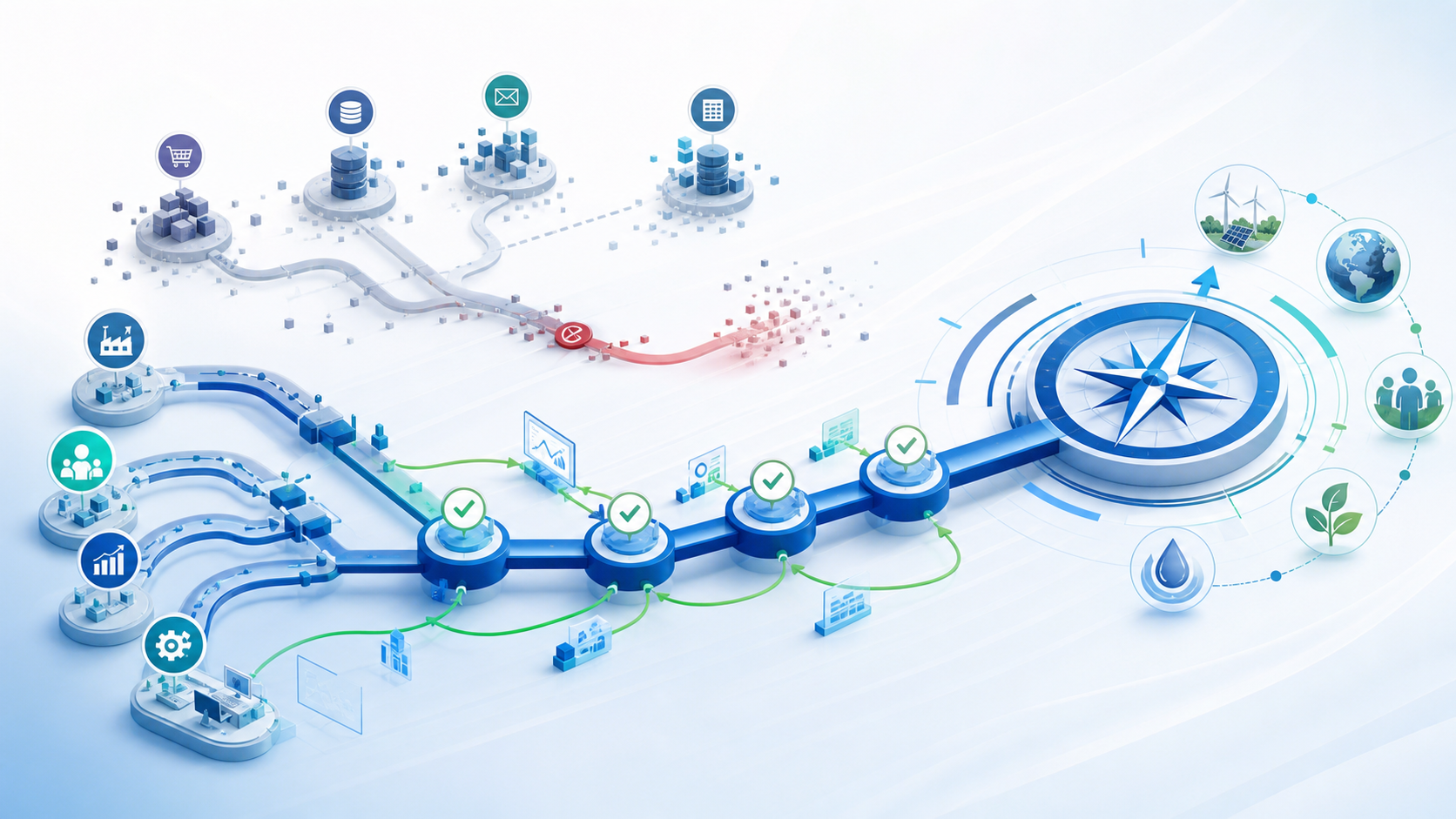
On the other hand, if GX or DX is introduced in name only, it may fail to take root in day-to-day operations. A particular risk is implementing tools before clearly defining the objective. Even after introducing a system, if it remains unclear what should be measured, who will use it, and what decisions it should inform, data will simply accumulate without being put to effective use.
If GX is treated solely as the responsibility of the environmental department and DX solely as the responsibility of the information systems department, cross-functional improvement becomes difficult. It is important for management, frontline teams, and administrative departments to share a common purpose, start small, and continuously review how initiatives are operated.
In addition, laws, regulations, and customer requirements continue to change, so keeping up with the latest information is essential. For GX in particular, it is important to separate and organize regulatory understanding from practical operational responses.
A step-by-step approach

A step-by-step approach
In practice, it is more realistic to take a phased approach rather than trying to optimize the entire company all at once.
First stage
The first step is to assess the current situation. Identify which departments hold which data, and determine where energy use and operational workloads are particularly high.
Second stage
In the second step, narrow the scope to specific operations and work on visualization and improvement. For example, it is effective to start with areas where results are easy to see, such as equipment with high electricity usage, approval processes that still rely on paper, or logistics processes with significant transportation costs.
Third stage
In the third step, evaluate the results of the improvements and roll them out to other departments. At this stage, assessing not only the amount reduced but also factors such as reduced work hours, lower data entry burden, and faster reporting makes it easier to gain internal buy-in.
How SMILE Can Help
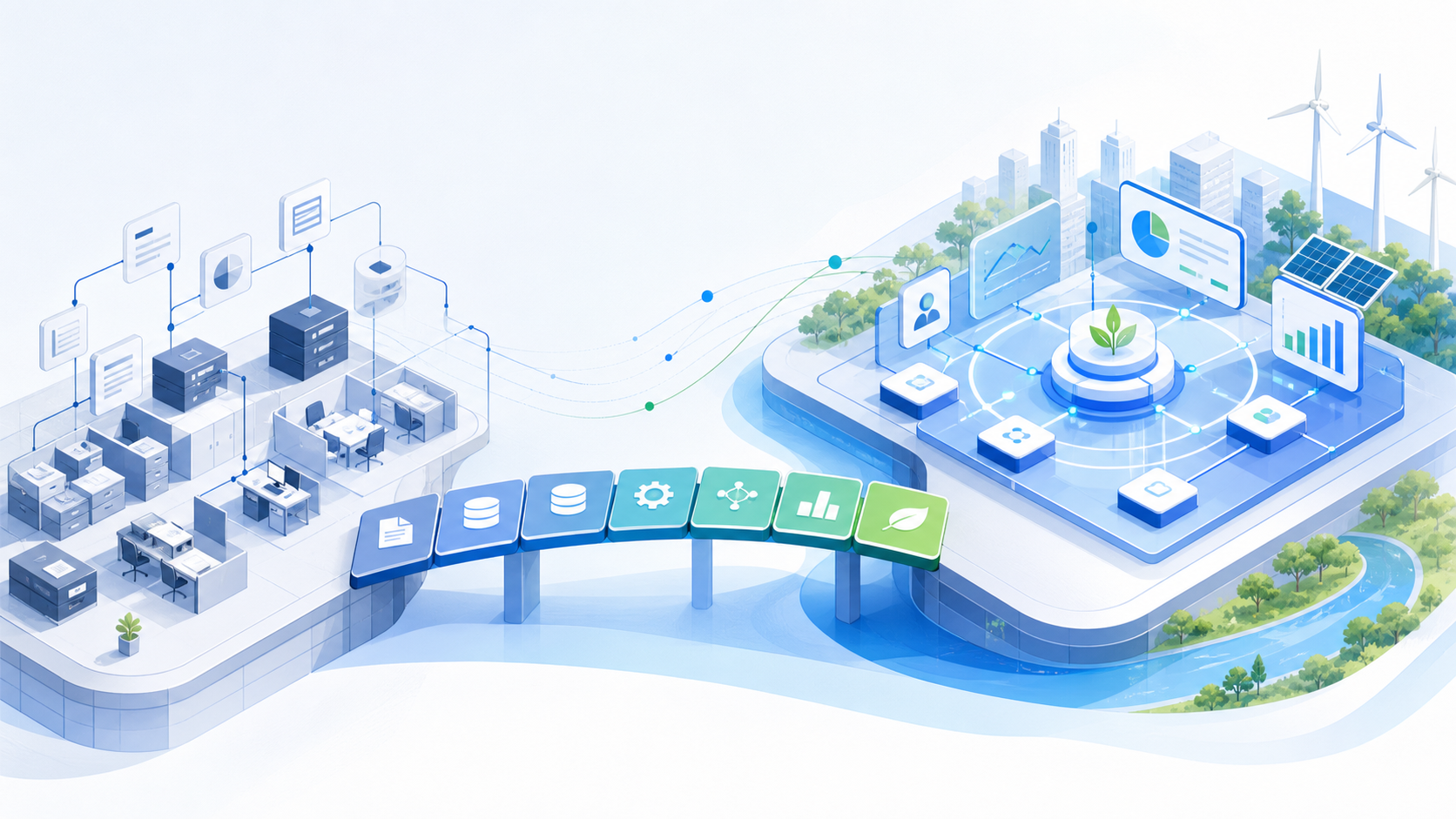
SMILE provides step-by-step support, from organizing business challenges and considering systemization to development and operations. GX and DX are concepts that may be easy to understand in theory, but companies often struggle when applying them to their own operations.
For this reason, it is important to clarify issues through interviews with frontline teams, visualize the necessary data, refine business workflows, integrate with existing systems, and develop a phased implementation plan. For companies that want to start small while minimizing the impact on existing operations, a realistic design is what leads to results.
Conclusion
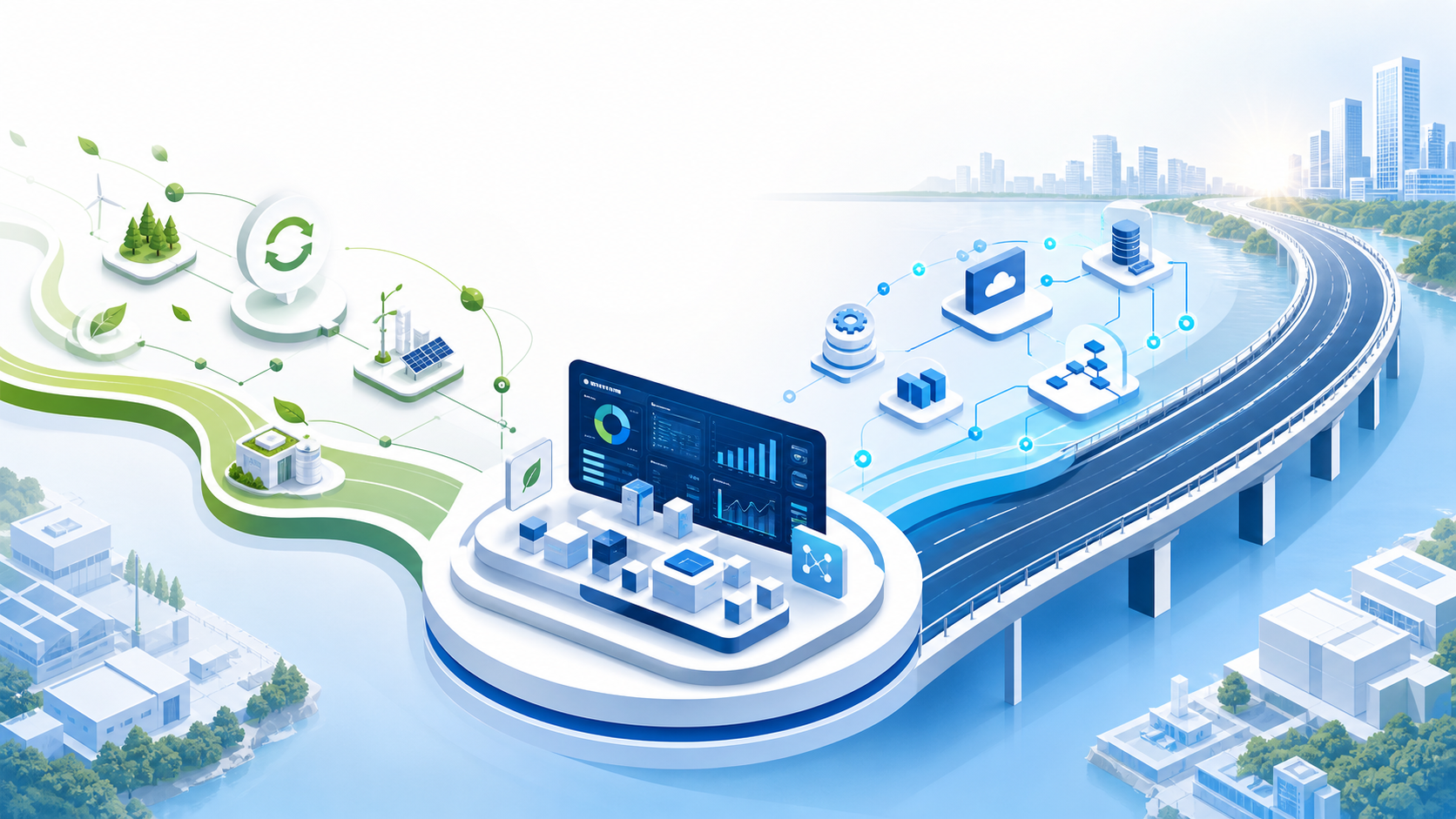
GX and DX may sound similar, but their primary purposes are different. GX is about decarbonization and building a sustainable management foundation, while DX is about transforming operations and business models through digital technologies. In day-to-day business practice, however, it is more important to view DX as a means of supporting GX rather than treating the two as separate initiatives.
A good first step is to identify which information is fragmented across the organization and where operational waste exists, then begin with small improvements. By building on these efforts over time, it becomes easier to balance environmental initiatives with business improvement.
SMILE supports phased implementation, from clarifying business challenges and evaluating systemization to development and operations. Companies considering DX or the use of AI are encouraged to start with small-scale business improvements.
FAQ
Q1. Which should we prioritize first, GX or DX?
A. There is no one-size-fits-all answer, but for companies that lack a clear understanding of their current situation or have insufficient data infrastructure, starting with DX-style foundational improvements can make it easier to implement GX initiatives.
Q2. Is GX necessary even for small and medium-sized businesses?
A. Yes. Even if a company is not directly subject to legal requirements, early preparation is valuable given factors such as requests from business partners, rising energy costs, and the impact on customer evaluations.
Q3. Do we need to make a major investment to get started?
A. No. Companies can begin with small-scale improvements, such as reviewing their current situation, reassessing paper- or Excel-based workflows, and visualizing existing data.
Start a Consultation on GX and DX Initiatives
From assessing your current situation to implementing systems and improving operations, we work with you to design an approach that fits your company’s needs.
- We can help clarify issues in your current operations and data.
- You can design implementation steps that fit your organization’s structure.
- You can continue building a framework that remains easy to operate after implementation.
- You can use data to verify results and make ongoing improvements.
- You can start exploring AI and IoT applications in the areas where they are most needed.