What Is GX (Green Transformation)? A Clear Guide to Why Companies Should Act Now and How to Move Forward
What Is GX?
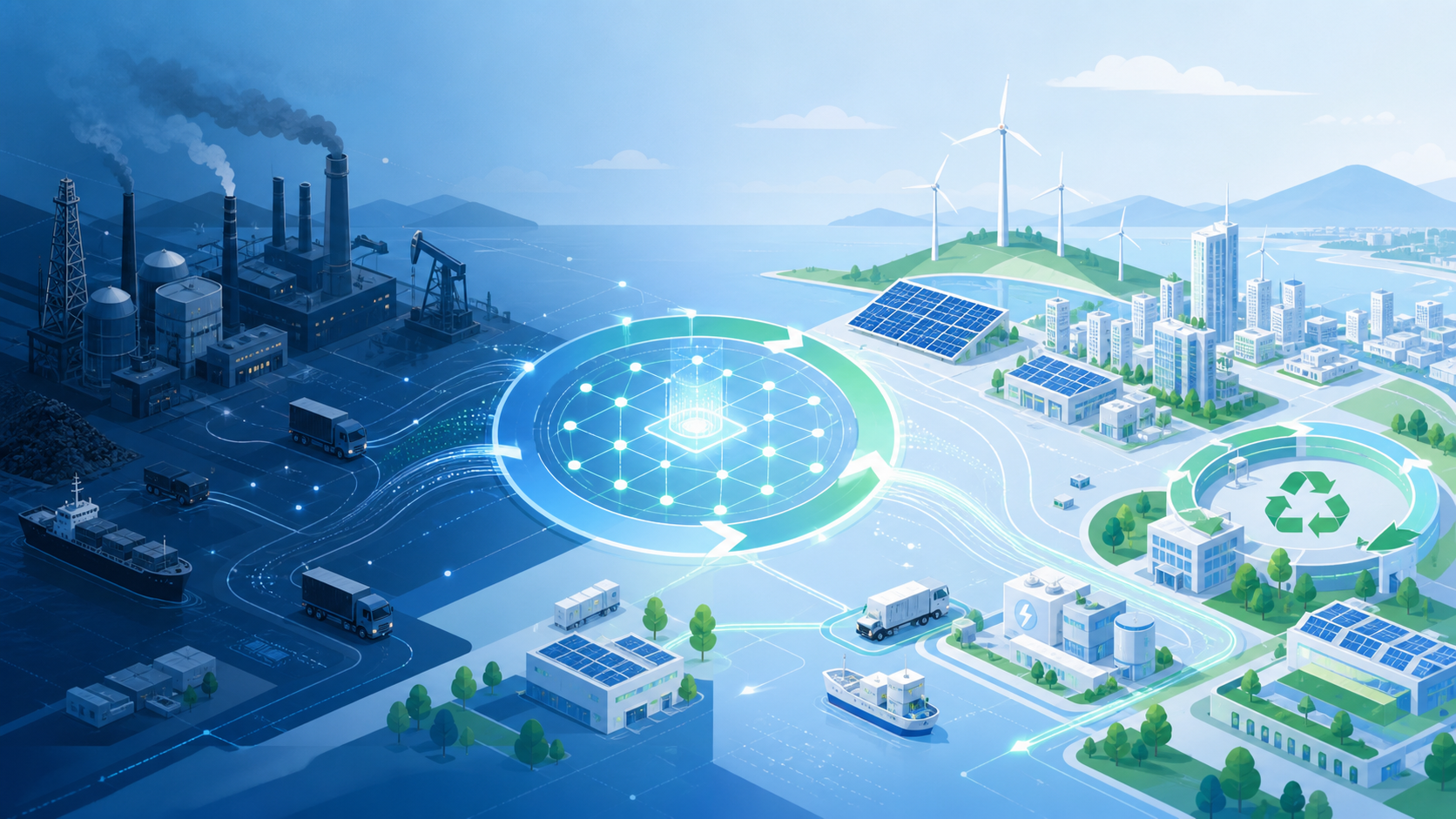
GX stands for Green Transformation.
The GX Implementation Council of Japan’s Cabinet Secretariat defines GX as a framework for transforming the entire economic and social system by shifting fossil fuel–dependent economic, social, and industrial structures toward clean energy.
In other words, GX is not simply an environmental initiative. It is a form of management transformation that reviews everything from energy use, procurement, production, and logistics to the design of products and services, and connects those changes to sustainable growth.
Why GX Is Attracting Attention Now
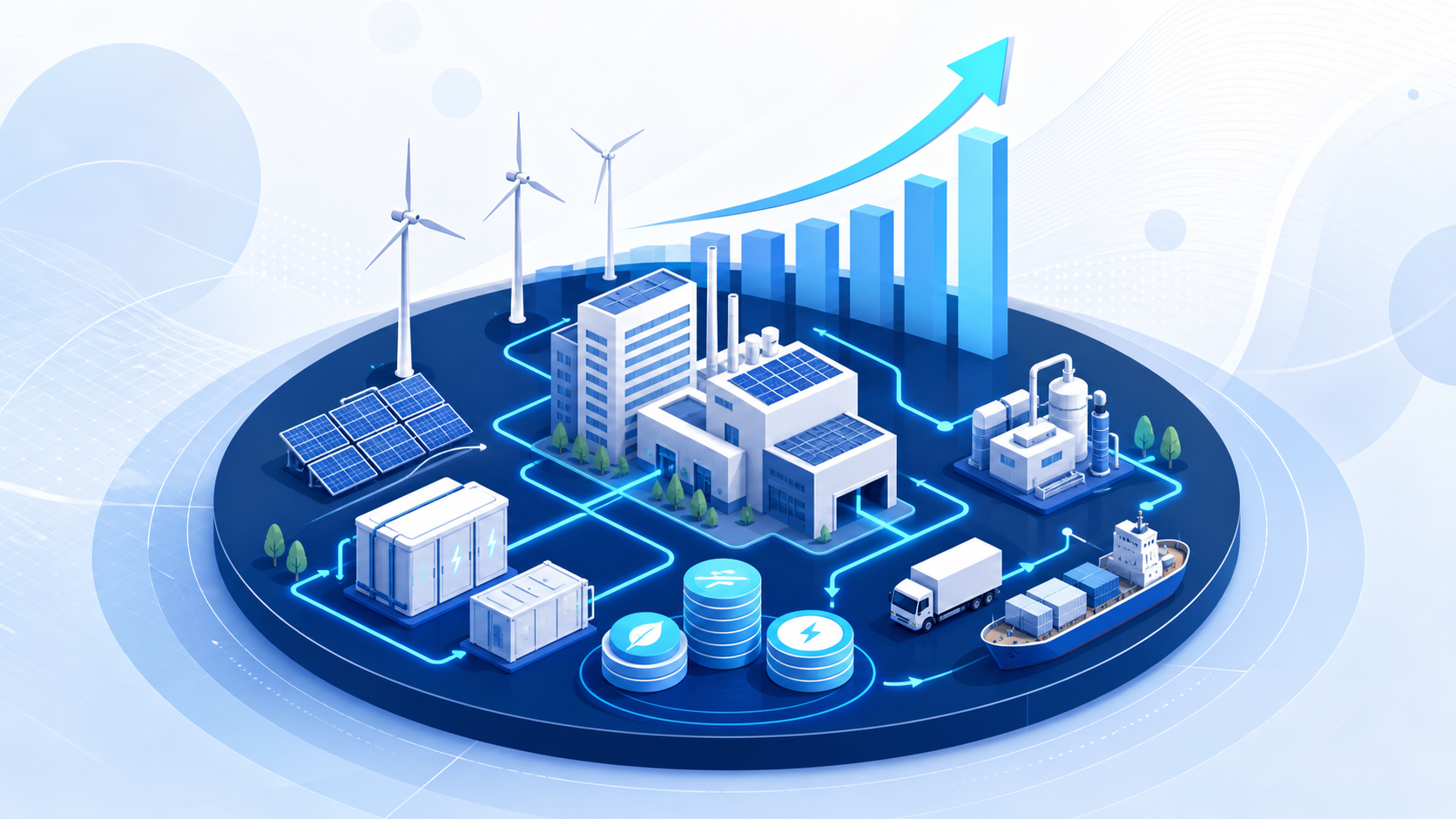
The growing focus on GX is driven by several factors, including the following.
Social demand for decarbonization is growing
In Japan, the basic policy for achieving GX and the GX Promotion Strategy have been announced, giving clearer medium- to long-term direction on the policy front. Companies need to prepare with future changes in regulations and market conditions in mind.
Companies need to respond to rising costs
Fluctuations in electricity and fuel prices affect the profitability of many companies, not only those in manufacturing and logistics. Energy conservation and equipment optimization are important not only as environmental measures, but also from a cost management perspective.
Requests from business partners and financial institutions are increasing
As major companies strengthen their supply chain initiatives, more businesses are being asked by customers and partners to track greenhouse gas emissions and present reduction policies. Going forward, environmental measures are likely to play a greater role in winning orders and meeting procurement requirements.
Viewed as a Growth Opportunity
GX is not only a defensive response. Energy-saving equipment, renewable energy, efficient production systems, and environmentally conscious services can all lead to new market opportunities.
The Difference Between GX and DX
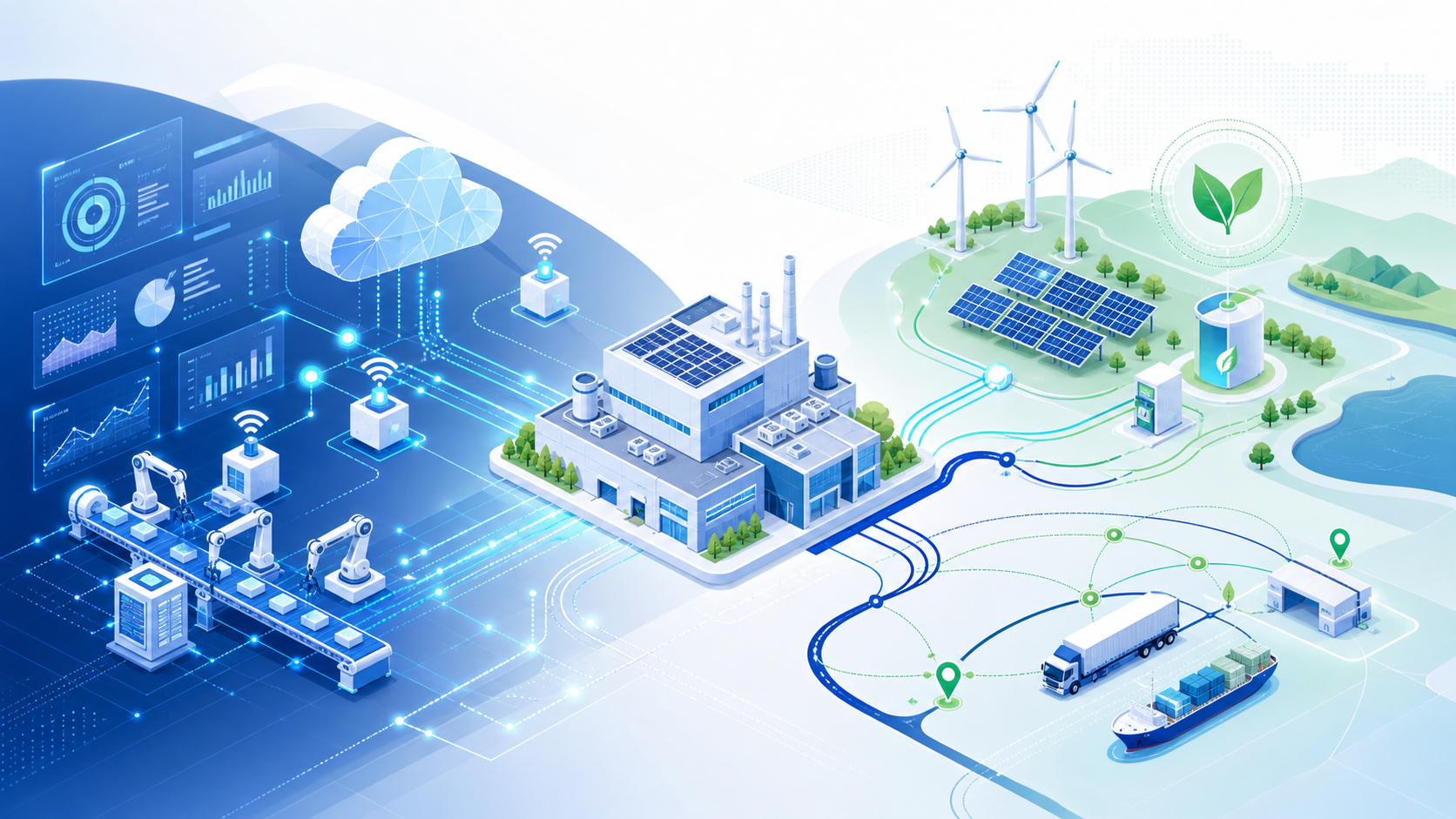
GX and DX are sometimes discussed in similar contexts, but their objectives are somewhat different.
- DX means transforming operations and business models by leveraging digital technologies.
- GX means transforming management and business structures from the perspective of decarbonization and sustainability.
In practice, however, the two often overlap.
For example, visualizing electricity usage in factories, collecting equipment operating data to improve energy efficiency, and optimizing logistics routes to reduce fuel consumption are typical examples of using DX methods to advance GX.
For this reason, it is more practical to view digital technology as an integral part of advancing GX rather than treating it separately.
Practical Business Benefits of GX
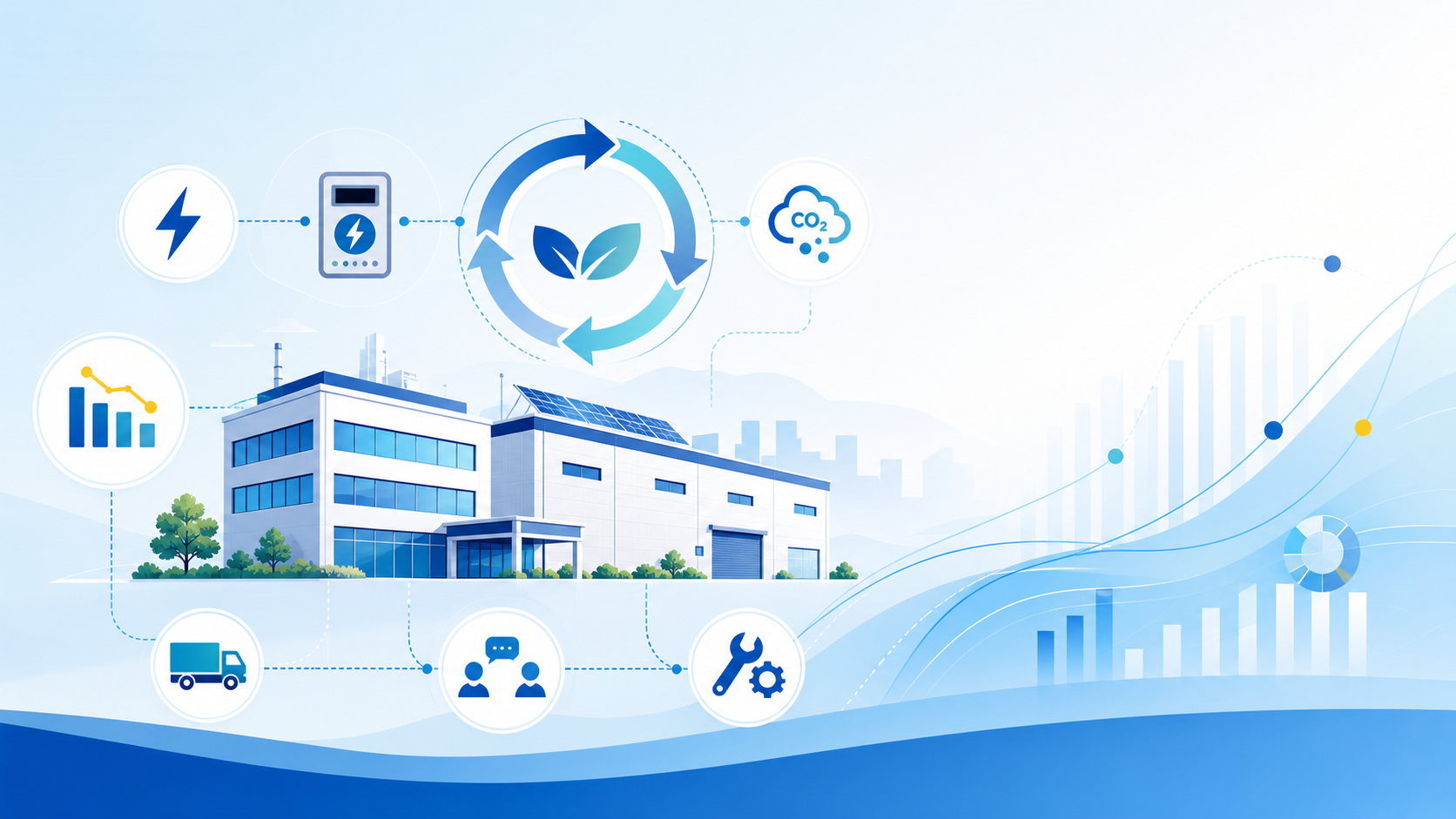
Reducing utility and operating costs
By understanding energy usage and reviewing unnecessary operation or inefficient equipment management, companies may be able to improve fixed costs.
Improving your ability to explain initiatives to business partners
By tracking emissions and advancing improvement initiatives, companies can respond more easily to inquiries from customers, business partners, and parent companies. This also makes it easier to prepare for future changes in procurement requirements.
It can serve as a catalyst for frontline improvements.
Promoting GX often involves reviewing operations as a whole, including energy, materials, transportation, inventory, and equipment maintenance. In the process, companies may uncover overreliance on individual employees or inefficient practices, leading to operational improvements.
Strengthening business continuity
GX can help companies become more resilient to rising energy prices and regulatory changes. It is also a form of risk management that prepares businesses for future changes in the external environment.
Specific examples of GX initiatives in companies
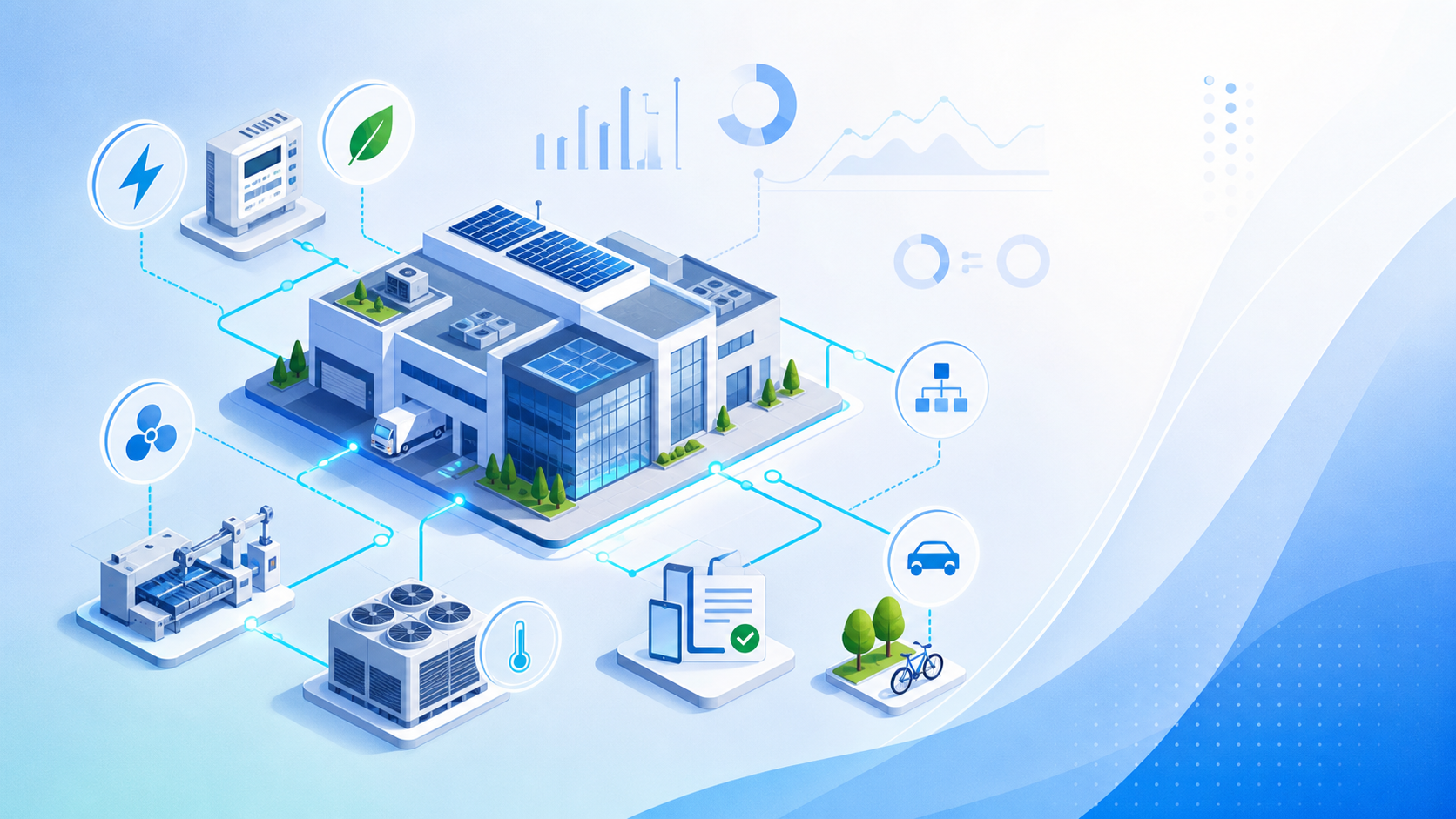
Example 1: Visualizing Energy Consumption
Begin by understanding electricity usage at each site, consumption by equipment, and peak usage periods. Simply visualizing the current situation can make opportunities for improvement much clearer.
Example 2: Optimizing Production Equipment and Air Conditioning
Measures such as replacing aging equipment, reviewing operating hours, and optimizing temperature settings are relatively easy places to start. They can be implemented in stages while balancing investment costs against reduction benefits.
Example 3: Reducing Paper Use, Travel, and Manual Work
Digitizing application processes, converting forms to digital formats, and using online meetings are also connected to GX. Even if they do not directly deliver large emissions reductions, these are areas that can be advanced alongside efforts to improve the efficiency of day-to-day operations.
Example 4: Reviewing Logistics and Procurement
Optimizing delivery routes, improving load factors, and strengthening information sharing with suppliers are areas where companies can more easily reduce CO2 emissions while improving costs.
Example 5: Driving Continuous Improvement Through Data
Rather than treating an initiative as complete once it has been implemented, companies need a system for regularly reviewing usage and improvement results, then using those insights to drive the next round of improvements. This is where systems and dashboards can be especially useful.
Key Challenges to Consider When Promoting GX

Starting without a clear objective
If the only reason is that “GX is trending,” it will be difficult to gain traction on the front lines. Companies need to clarify their own objectives, such as reducing costs, responding to business partners’ requirements, or strengthening their brand.
It ends with simply collecting numbers.
Visualization is important, but it is difficult to achieve results unless it leads to decisions about which operations to change and how after the data has been made visible.
It increases the burden on frontline teams.
If manual data entry and aggregation work continue to increase, operations are unlikely to be sustainable. It is important to design processes that make maximum use of existing systems, sensors, and business data while keeping the workload under control.
Trying to make large-scale investments all at once
It is more realistic to advance GX in stages. Starting small, confirming the results, and then expanding into high-priority areas reduces the risk of failure.
A Practical Approach That Helps Avoid Failure
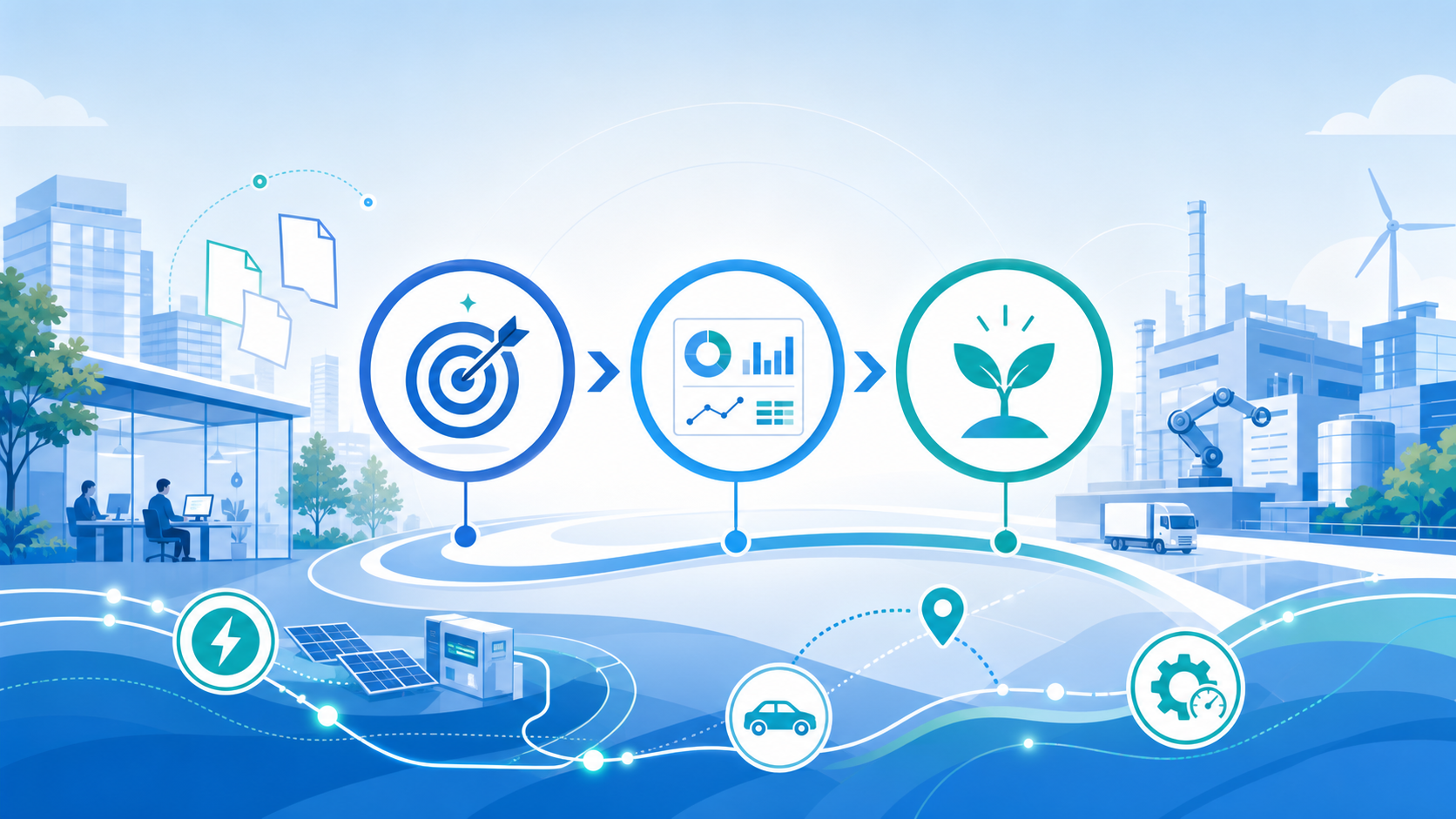
Step 1. Define the objective
Start by clarifying the purpose of your initiative. For example, it is important to connect GX efforts with business priorities such as reducing electricity costs, meeting the expectations of key customers, and driving internal improvements.
Step 2. Understand the current situation
Review energy consumption, business workflows, and the current state of paper use, travel, and equipment operations. Where possible, analyzing these factors by site and process makes it easier to identify areas for improvement.
Step 3. Start Small
It is best to start with a limited scope, such as one location, one department, or one process. Choosing an initiative that can show results quickly will also make it easier to gain internal support.
Step 4. Measure the Impact
Review the reductions achieved in costs, work hours, and energy consumption, and use those insights to guide decisions on future initiatives.
Step 5. Systematize and Embed the Process
For initiatives that prove effective, it is important to standardize data collection and reporting so they can be operated on an ongoing basis.
Conclusion
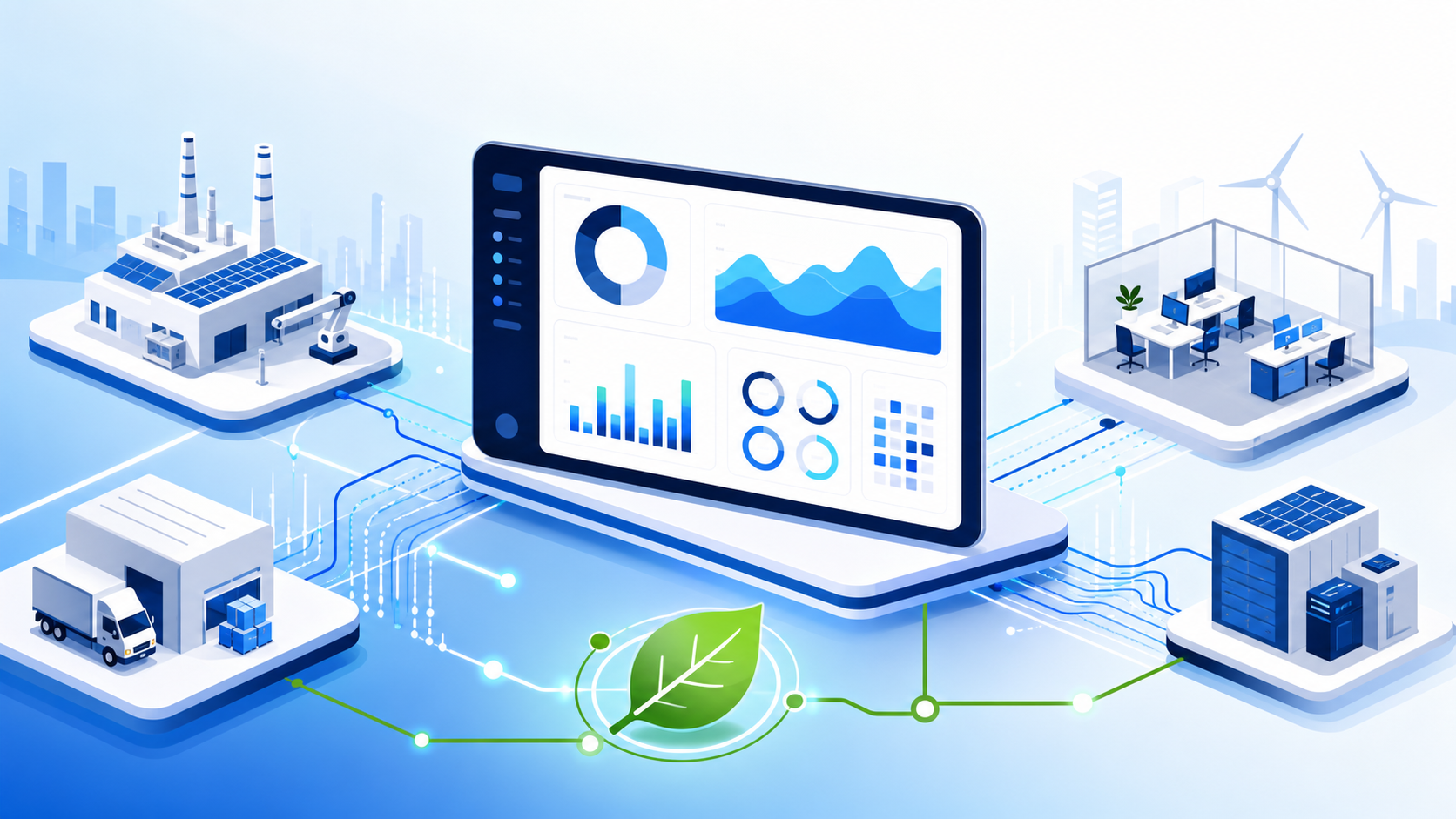
GX is not just an environmental initiative; it is a management priority that helps strengthen a company's competitiveness and long-term continuity.
Going forward, it will be especially important to view decarbonization, operational improvement, and digital adoption as connected priorities rather than separate initiatives. A practical approach is to start small in areas closely related to your company’s own challenges, then expand while assessing the results.
At SMILE, we support GX not as a standalone environmental initiative, but as part of a broader effort connected to operational improvement and DX. For example, we can help companies design an approach tailored to their actual circumstances, including organizing on-site operations, visualizing energy and operational data, building management platforms linked with existing systems, and providing phased development and operational support.
For companies interested in GX but unsure where to begin, a practical approach is to start with a clearly defined business area, run a small-scale validation, confirm the results, and then expand gradually.
FAQ
Q1. Are GX and the SDGs the same thing?
They are not the same. The SDGs are goals that address a broad range of social issues, while GX mainly refers to the transformation needed to achieve both decarbonization and economic growth.
Q2. Do small and medium-sized enterprises need to work on GX as well?
There is a clear business case for starting early, especially from the perspectives of customer and business partner requirements, energy cost management, and operational improvement.
Q3. What is a practical place to start?
A practical approach is to start with areas where results are easier to measure, such as visualizing energy usage, reducing paper-based work, and reviewing equipment operations.
Start a Consultation on GX and DX Initiatives
From assessing your current situation to implementing systems and improving operations, we work with you to design an approach that fits your company’s needs.
- We can help clarify issues in your current operations and data.
- You can design implementation steps that fit your organization’s structure.
- You can continue building a framework that remains easy to operate after implementation.
- You can use data to verify results and make ongoing improvements.