What is Rebuilding? Understanding the importance of system reconstruction in IT.
What Is a Rebuild? Basic Concepts and Definition
Rebuild means “reconstruction” or “re-creation.” In IT, it mainly refers to the process of reconstructing systems, data, or programs.
Rather than being a simple fix, it is performed for purposes such as the following:
- Improved system stability
- Performance optimization
- Eliminating technical debt
- Ensuring future scalability
Main components of a rebuild
A rebuild mainly includes the following two elements.
- Data rebuilding: regenerate and repair corrupted or inconsistent data
- Program rebuilding: recompile after code changes or feature additions
Key point: rebuilding is not about “keeping something running”; it is “rebuilding to make it better.”
Rebuild in Software Development

In software development, rebuilding is key process performed routinely.
Basic process
- Modify source code (bug fixes and feature additions)
- Compile (generate executable file)
- Testing and debugging
Repeating this cycle helps create high-quality software.
Specific example
When a user reports a bug:
- The developer fixes the code
- Rebuild (compile)
- Run tests
Repeating this cycle improves quality
Rebuild in Storage Management
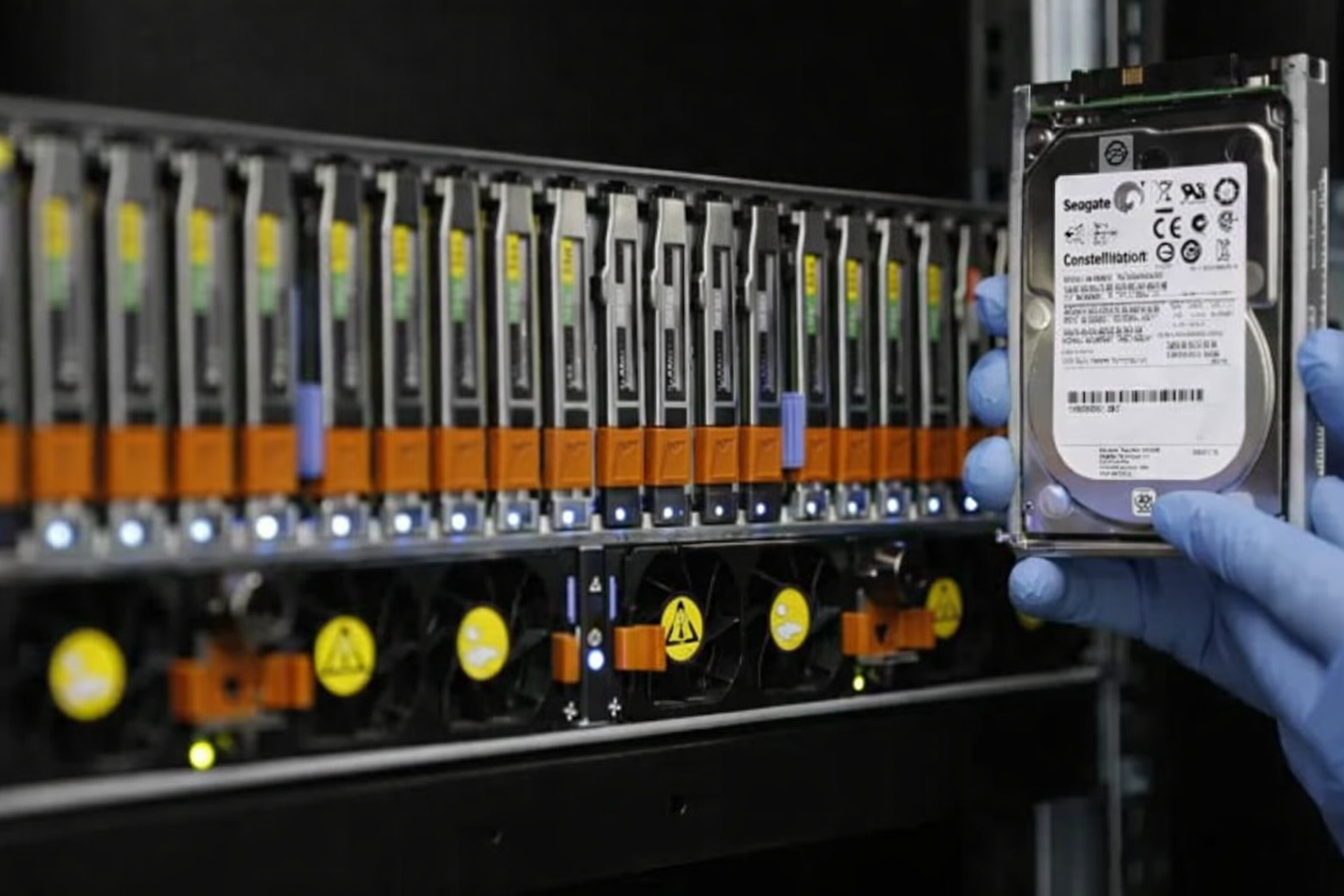
In storage, rebuilds are mainly used for failure recovery in RAID configurations.
RAID rebuild process
- Replacing the failed disk
- Restoring data from healthy disks
- Recalculating consistency (parity)
Example: RAID5
When one disk fails → restore data from remaining disks → rebuild it on new disk
After the rebuild is complete, the system returns to normal operation.
Key Considerations and Risks of Rebuilds

A rebuild is a highly effective approach, but if it is carried out incorrectly, it can involve significant risks.
① Risk of Missing Requirements
When the specifications of the current system are not accurately understood:
- Required functions are omitted
- Business operations can no longer run smoothly
Pay particular attention to “undocumented specifications”.
② Increased Costs Due to an Unclear Scope
- The requirements are unclear
- Frequent specification changes occur during the project
Result:
- Extension of the Development Period
- Costs increase
③ Issues During System Migration
- Errors during data migration
- Risk of Business Disruption
Preventive Measures:
- Parallel operation of the old and new systems
- Phased Migration
- Preliminary Validation (PoC)
Key Factors for a Successful Rebuild
- Phased Rebuild (Avoiding a Big Bang Approach)
- Preliminary Validation Through a PoC
- Collaboration with Business Departments
It is important to approach a rebuild not as an “IT project,” but as a “business reform project.”
Rebuild Support by SMILE
Because a rebuild requires advanced technical expertise and a deep understanding of business operations, choosing a reliable partner is the key to success.
SMILE’s Strengths
- A PM / BrSE Structure with Deep Knowledge of the Japanese Market
- High-Quality, Cost-Effective Development by a Vietnam-Based Development Team
- Support for COBOL and Legacy Technologies
- End-to-End Support from Design and Development to Testing and System Migration
Services Offered
- Assessment of the Current System
- Formulation of a Rebuild Strategy
- PoC (Proof of Concept) Support
- Phased Rebuild Implementation
- Migration and Operations Support
Emphasizing an approach that does not “rebuild everything from the start,” but instead “tests on a small scale and proceeds with certainty.”
Conclusion
A rebuild is an essential process for improving the quality, security, and future readiness of an IT system.
- Improved system stability
- Optimize performance
- Ensure data security
- Eliminating technical debt
Achieving these goals helps drive corporate DX and strengthen competitiveness.
Contact Us
If you are facing challenges with how to proceed with a rebuild or with issues related to legacy systems, please feel free to contact SMILE for a consultation.
- We provide one-stop support, from current-state analysis to system rebuild and modernization.